Business
Botswana set to post surplus in 2012
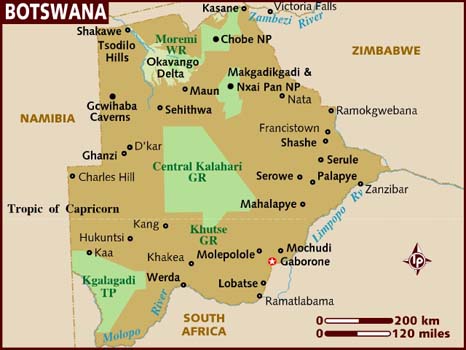
(Reuters) – Botswana, the world’s biggest diamond producer, is projected to post a budget surplus in 2012, turning the corner on three years of deficits sparked by the 2008 global financial crisis.
In his budget speech to parliament, Finance Minister Kenneth Matambo forecast a small surplus of 0.9 percent of GDP, but slashed his overall economic growth forecast to 4.4 percent for 2012, compared with a previous projection of 7.1 percent.
The International Monetary Fund (IMF) is projecting 5.3 percent.
The dampened growth outlook was due in part to continued uncertainty in diamond sales, which fell 70 percent from June to December, Matambo said. Diamonds and other mining accounts for 40 percent of the southern African nation’s output.
However, the government, which enjoys the best credit rating in Africa, would balance its books by cutting spending to 33 percent of gross domestic product (GDP) in the upcoming fiscal year, from 36 percent last year, Matambo said.
“There is no guarantee that the diamond sales situation will improve and hence the need to re-prioritize projects and all expenditure both at national and household level,” he said.
All government ministries would be subject to a 5 percent cut in their wage bill for the next three years and new hires had been frozen, he added, setting President Ian Khama‘s government on a potential collision course with public sector unions.
Last year, up to 90,000 state workers staged an unprecedented two-month strike demanding steep pay rises.
Khama, refused to back down and eventually won through by arguing that the country could not afford the increases. However, the episode shook the ruling party’s 45-year grip on power.
The 2008/09 slump in global gem prices forced some of Botswana’s diamond mines to close for the first time, and gave a glimpse of difficulties that await when the mines run dry.
The budget deficit ballooned to a whopping 15 percent of GDP, and forced the government to seek an emergency US$1.5 billion loan from the African Development Bank (ADB) to keep its operations afloat.