News
Boeing apologizes for deadly 737 MAX 8 crashes, takes responsibility
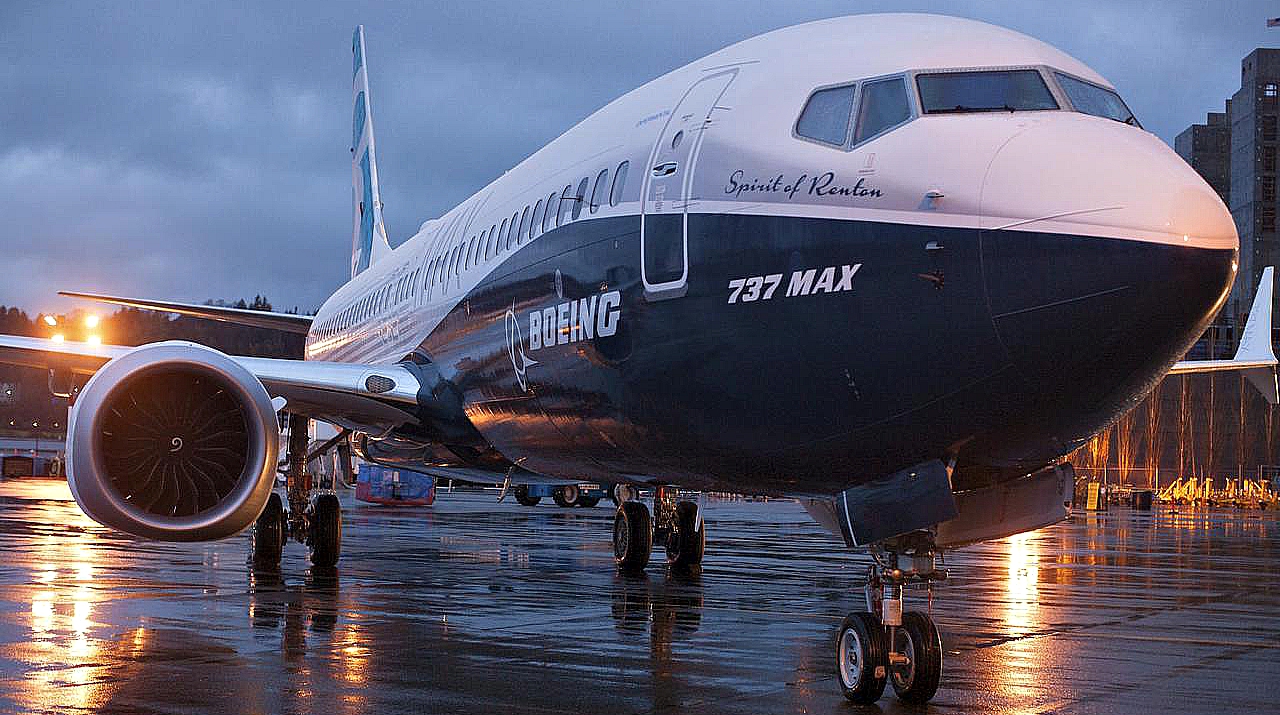
AP | Boeing CEO Dennis Muilenburg issued an apology Thursday on behalf of Boeing stating the company is “sorry for the lives lost in the recent 737 MAX 8 accidents,” and that they “are relentlessly focused on safety to ensure tragedies like this never happen again,” according to the statement.
“These tragedies continue to weigh heavily on our hearts and minds, and we extend our sympathies to the loved ones of the passengers and crew on board Lion Air Flight 610 and Ethiopian Airlines Flight 302. All of us feel the immense gravity of these events across our company and recognize the devastation of the families and friends of the loved ones who perished,” the statement went on to say.
The crew of the Ethiopian Airlines jet that crashed 6 minutes after takeoff last month performed all procedures recommended by Boeing when the plane started to nose dive but could not save it, according to findings from a preliminary report released Thursday by Ethiopia’s government.
The Max 8 has been under scrutiny since a Lion Air flight crashed off the coast of Indonesia under similar circumstances in October.
Investigators are looking into the role of a flight-control system known by its acronym, MCAS, which under some circumstances can automatically lower the plane’s nose to prevent an aerodynamic stall. The MAX has been grounded worldwide pending a software fix that Boeing is rolling out, which still needs to be approved by the U.S. Federal Aviation Administration and other regulators.
“We’re taking a comprehensive, disciplined approach, and taking the time, to get the software update right. We’re nearing completion and anticipate its certification and implementation on the 737 MAX fleet worldwide in the weeks ahead. We regret the impact the grounding has had on our airline customers and their passengers,” Muilenberg said in the Boeing statement.
Boeing is the focus of investigations by the U.S. Justice Department, the Transportation Department’s inspector general, and congressional committees. Investigations are also looking at the role of the Federal Aviation Administration in the U.S., which certified the MAX in 2017, declined to ground it after the first deadly crash in October. The agency was also reluctant to ground the planes after the Ethiopian Airlines crash and was among the last agencies to do so.
In the statement Thursday, Boeing said that to make sure unintended activation of the MCAS system doesn’t happen again, it is developing software and “associated comprehensive pilot training” for the MAX. The software update, Boeing said, adds layers of protection and will stop erroneous data from activating the system.
Ethiopian investigators did not specifically mention the MCAS, but recommended that Boeing review “the aircraft flight-control system related to the flight controllability.” They also recommended that aviation officials verify that issues have been adequately addressed before allowing the planes to fly again.
At a news conference, Ethiopia’s Minister of Transport Dagmawit Moges said the Ethiopian Airlines crew “performed all the procedures repeatedly provided by the manufacturer but was not able to control the aircraft.”
The report said multiple alarms went off as the pilots struggled to control the plane, indicating an even more complex situation than in the Lion Air crash, said William Waldock, a professor of safety science at Embry Riddle Aeronautical University. “It’s similar in a lot of ways but perhaps more extreme,” he said. “It seems likely they’ve got more things going on at once in a shorter time period.”
“The report suggests Boeing could have done better in notifying the problem with the aircraft system early on,” said Konjit Shafi, whose younger brother, Sintayehu Shafi, died in the crash. “This is causing us a great deal of pain. It is so sad to learn that our loved ones would have been spared if this problem was detected on time.”
Boeing is the focus of investigations by the U.S. Justice Department, the Transportation Department’s inspector general and congressional committees. Investigations are also looking at the role of the FAA, which certified the MAX in 2017, and declined to ground it after the first deadly crash in October. The agency was also reluctant to ground the planes after the Ethiopian Airlines crash and was among the last agencies to do so.