Business
Antigua & Barbuda could hit U.S. with copyright-free downloads in trade sanctions
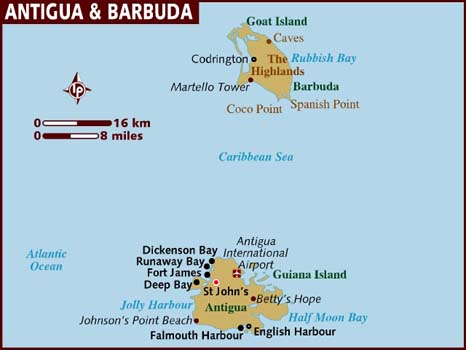
(Reuters)- Antigua & Barbuda will tell the World Trade Organization (WTO) on Monday that it intends to use trade sanctions against the United States, which it could enforce by allowing movie downloads without protecting U.S. copyright.
Antigua & Barbuda has the right to do so because it won a WTO legal case, first launched in 2003, against a U.S. ban on online gambling. The United States then said it would no longer apply WTO rules to gambling but failed to offer Antigua & Barbuda comparable access in other services, as it should have.
Antigua & Barbuda won the right to hit back with trade sanctions and – with little hope of persuading Washington by threatening to block U.S. imports to the nation of 70,000 – it was given permission to use intellectual property instead.
“American intellectual property rights holders are fighting piracy across the globe. They hate the theft of their intellectual property rights and they spend enormous sums trying to prevent it,” Mark Mendel, a lawyer representing Antigua & Barbuda in the case, told Reporters.
He declined to say exactly how Antigua & Barbuda might act, but said it could include copyrights, patents or trademarks.
A website that allowed users to download U.S. software or movies without paying anything to the copyright holders was one possibility, as was selling Manchester United T-shirts – the soccer club is owned by the American Glazer family.
“If, when, how it’s going to happen, people will just have to wait to find out.”
Although the WTO awarded Antigua & Barbuda the right to impose only US$21 million in annual sanctions, Mendel said the size of the award was not an obstacle.
If Antigua & Barbuda were to begin a state-sponsored website to download Hollywood movies and U.S.-made computer software, it could still inflict a lot of damage on U.S. rights holders.
“When you think about it, US$21 million could be all accomplished in one go or in 50 million goes. The dollar figure is not important,” he said.
Asked if a site charging one cent per download would be a way to accomplish Antigua & Barbuda’s aims, he said: “That is an intellectual possibility.”
The WTO gave Antigua & Barbuda the right to retaliate with sanctions in December 2007 and it announced last month that it had finally given up waiting for a U.S. compromise proposal. The government hoped the threat of sanctions would break the logjam, Mendel said.
“We’ve heard a lot more from them (the U.S. negotiators) over the past two weeks than over the past 10 years.” He added that Antigua & Barbuda’s main aim was still to get the United States to comply.
In an emailed reply to a request for comment, a spokeswoman for the U.S. Trade Representative said: “The U.S. is in ongoing discussions with Antigua & Barbuda in an effort to find a mutually satisfactory resolution to this dispute.”
The United States should be worried about other WTO members following Antigua & Barbuda and using the same tactic to get their way in trade disputes, Mendel said.
“If they aren’t worried enough about Antigua & Barbuda they should be worried about someone else coming along. If we do something inventive that could pose a lot of problems for intellectual property holders, if we create that precedent, the consequences could be enormous,” he said.
“With Antigua, it’s US$21 million. Maybe with China it’s going to be US$21 billion,” said Mendel.
“One of the messages we want to get across is that the WTO was sold to smaller countries as a level playing field and a way for them to expand the reach of commerce, subject to a set of rules that apply to everybody. I think more than anything else this case is about fairness. The WTO is supposed to be fair.”