Opinion
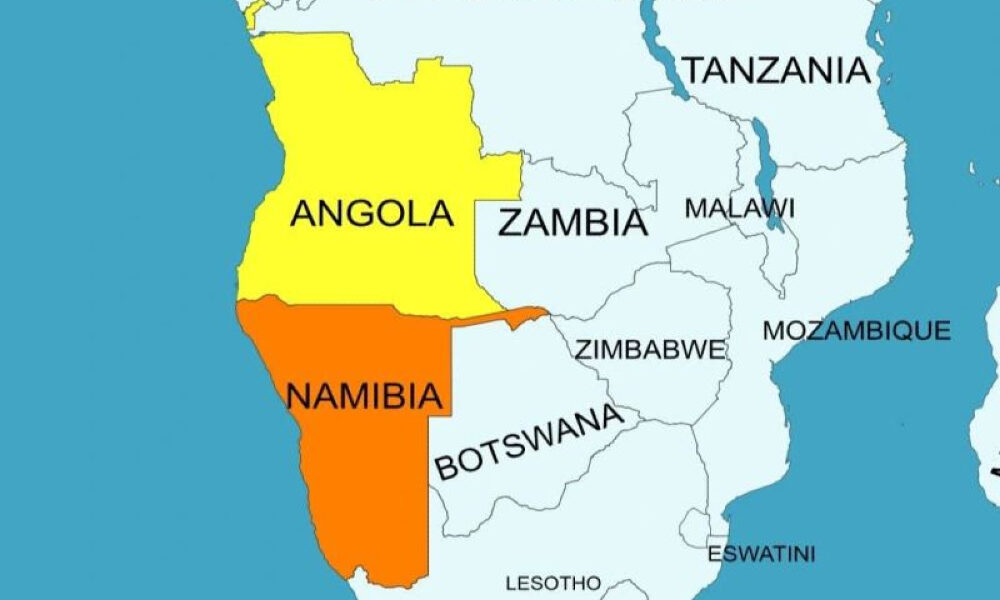
Angola and Namibia: A Tale of Two Africas


By Des H Rikhotso
Southwestern Africa presents a fascinating study in contrasts. Angola and Namibia share a border, similar climates, and abundant natural resources, yet these neighboring nations have carved remarkably different identities since independence.
Understanding their divergent trajectories offers insights into how colonial history, economic choices, and governance models shape modern African states.
The Oil Giant and the Desert Jewel
Angola dwarfs its neighbor in nearly every metric. With approximately 37 million people – more than twelve times Namibia’s 3 million – and a GDP approaching US$140 billion, Angola represents one of Africa’s economic heavyweights.
Its capital, Luanda, once ranked among the world’s most expensive cities, a testament to the petrodollar wealth flowing through the nation’s economy.
Namibia tells a different story. Despite its modest US$15 billion economy, this sparsely populated nation has cultivated an international reputation that punches well above its weight.
Where Angola bet on oil, Namibia diversified into diamonds, uranium, and – perhaps most significantly – tourism. The contrast reveals divergent visions of post-colonial development.
Colonial Shadows, Different Shapes
History explains much of this divergence. Angola endured Portuguese colonization until 1975, followed immediately by a devastating 27-year civil war that left deep scars on its infrastructure and institutions.
Portuguese influence permeates Angolan culture today, from the official language to the rhythms of kizomba music that has conquered dance floors worldwide. This Afro-Portuguese fusion creates a cultural identity distinct in the region.
Namibia’s path wound through German colonization and South African apartheid rule before independence arrived in 1990. This complex heritage – English as the official language, alongside Oshiwambo, Afrikaans, and numerous tribal languages – created a genuinely multilingual society.
The delayed independence allowed Namibia to learn from neighbors’ mistakes while building governance structures from more recent blueprints.
The Resource Curse and the Tourism Cure
Angola’s oil wealth presents a classic resource curse dilemma. Petroleum and gas dominate the economy, generating enormous revenues but also creating dependency, inequality, and limited economic diversification.
While agriculture and mining contribute, the hydrocarbon sector’s gravitational pull affects everything from currency values to government priorities. For visitors, this translates into a nation less oriented toward tourism despite possessing spectacular attractions like Kalandula Falls and Kissama National Park.
Namibia chose – or perhaps was forced by circumstance – to cultivate multiple economic pillars. Diamond and uranium mining provide crucial revenue, but tourism has emerged as a strategic priority.
The Namib Desert, Skeleton Coast, and Etosha National Park attract adventure travelers and wildlife enthusiasts globally. This openness to international visitors has created service industries, environmental conservation incentives, and a national brand built on natural wonders rather than extraction industries alone.
Cultural Riches Beyond Economics
Both nations boast vibrant cultural traditions, though expressed differently. Angola’s music scene – from traditional samba to modern kizomba – reflects centuries of cultural exchange between Africa and Portugal.
The nation’s artistic output, particularly in music and dance, has influenced global culture far beyond its borders.
Namibia’s cultural wealth lies in its extraordinary diversity. Tribal traditions remain vibrant, with distinct practices among the Himba, Herero, San, and other groups.
Handicrafts, oral histories, and folk music preserve ancient knowledge while adapting to contemporary contexts. This multicultural mosaic, combined with Christian majorities (Lutheran and Catholic), creates a society navigating between tradition and modernity.
The Tourism Question
For travelers, the choice between these neighbors represents fundamentally different experiences. Angola remains relatively closed to mass tourism, requiring more planning, higher budgets, and greater tolerance for infrastructure limitations.
Those who make the journey discover pristine Atlantic beaches, thundering waterfalls, and a cultural authenticity unspoiled by tourist crowds. The Afro-Portuguese fusion offers something genuinely unique in African travel.
Namibia delivers the opposite proposition: a well-developed tourism infrastructure welcoming visitors to some of Earth’s most dramatic landscapes. The rust-red dunes of Sossusvlei, shipwreck-strewn Skeleton Coast, and wildlife-rich Etosha provide Instagram-ready adventures with reliable services.
This accessibility has made Namibia a bucket-list destination for safari-goers and desert enthusiasts.
Governance and Future Trajectories
Both nations operate as presidential republics, though with different systems. Angola’s concentration of power reflects its post-war reconstruction priorities, while Namibia’s parliamentary elements suggest a more distributed governance model.
These structural differences influence everything from economic policy to civic engagement.
The fundamental question facing both nations concerns sustainable development. Can Angola diversify beyond oil before global energy transitions diminish hydrocarbon demand?
Will Namibia balance tourism growth with environmental preservation? These challenges will define the next chapter in their parallel stories.
The Verdict for Travelers
Choosing between Angola and Namibia depends entirely on travel philosophy. Angola appeals to those seeking undiscovered destinations, cultural immersion in Afro-Portuguese traditions, and tropical landscapes relatively untouched by mass tourism.
It rewards intrepid travelers willing to navigate logistical challenges for authentic experiences.
Namibia suits adventurers prioritizing accessibility, dramatic desert scenery, world-class wildlife viewing, and reliable infrastructure. It offers transformative experiences without requiring the resourcefulness Angola demands.
The more interesting question might be: why choose? These neighboring nations complement rather than compete with each other, together offering a comprehensive portrait of southwestern Africa’s diversity.
The oil-rich giant and the desert jewel each illuminate different possibilities for post-colonial African development – and different visions of what tourism and economic growth can achieve.
For the truly curious traveler, both destinations deserve attention. Angola’s Kalandula Falls and Atlantic coastline provide counterpoints to Namibia’s Skeleton Coast and Namib dunes.
Together, they reveal how geography, history, and policy choices create vastly different national identities from similar starting points.
The real winner? Anyone willing to experience both.
Des H Rikhotso (PgDip-BA, MBL) is a seasoned C-suite Multi-Industry business executive with 25+ years of Business Leadership Experience across the South, East and Western Sub-Sahara Africa Region. Based in Kampala, Uganda he serves as East Africa Region Business Executive, driving Business Strategic Growth and Operational Excellence – contributing his Leadership Voice and Clarity to the Region. Des has held Business Leadership roles at BMW Group Africa, Volkswagen Group Africa, Peugeot Motors South Africa, Toyota/Lexus South Africa, Nissan Group of Africa, G.U.D Holdings (Africa Exports Operations Division) and The HDR Group of Companies. He holds Under-Graduate and Post-Graduate business degrees from the University of the Western Cape, Wits University (Wits Business School) and the University of South Africa.