Owusu on Africa
Analyzing the Role of the Tuareg in the Sahel’s Insecurity


By Fidel Amakye Owusu
A closer examination of the ongoing insecurity in the Sahel region reveals that the strength of extremist groups is closely tied to the Tuareg people and their geography.
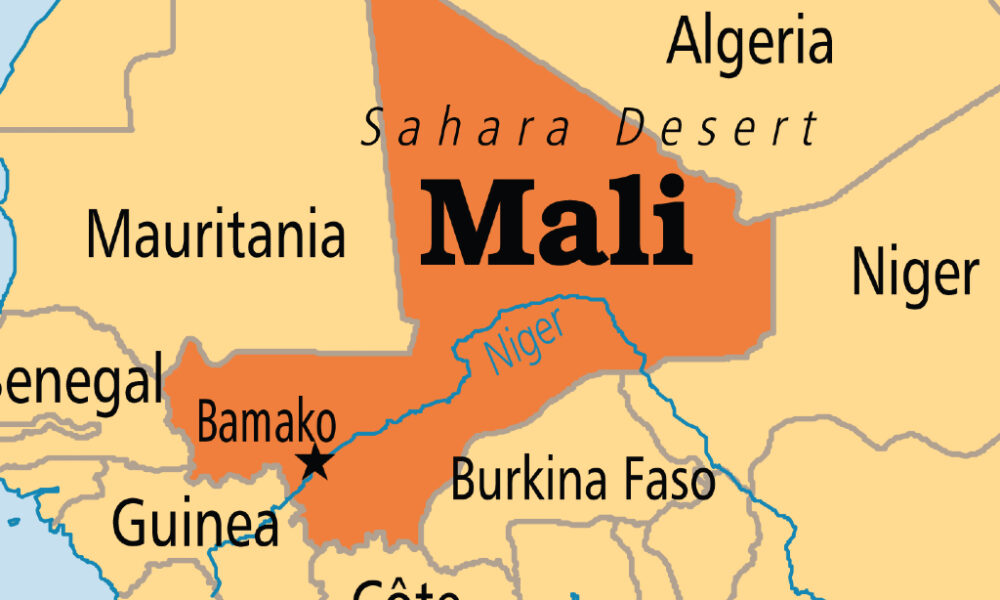
Stretching from northern Mali to parts of the Niger bend, the Tuareg and other minorities, including Arabs, have lived and operated in these areas for centuries. Today, the Tuareg form a critical component of Al-Qaeda’s affiliate, Jama’at Nasr al-Islam wal Muslimin (JNIM).
The majority of JNIM’s foot soldiers are of Tuareg and Arab descent, and the group’s leader, Iyad Ag Ghaly, is himself a Tuareg.
Historical Context
The Tuareg’s prominence in the current insurgency stems from unresolved political issues dating back to both the colonial and post-colonial periods.
Under French colonial rule, the Tuareg consistently sought a separate administration, particularly after their resistance to colonial control was suppressed. On the brink of independence, the Tuareg requested a distinct state, separate from southern Mali. Despite initial assurances, this demand was denied.
Following independence, the Tuareg revised their demands, seeking greater autonomy to govern their affairs. However, successive governments in Bamako rejected these calls, opting instead to assert control through coercive measures.
Like many former French colonies, Mali adopted a unitary system of governance, rejecting federalism in any form. This refusal created enduring tensions between the Tuareg and Arab populations in the north and the southern-dominated central government.
Mali’s vast physical size and ethnic diversity, with its array of unique cultures, suggest that federalism could have been a more suitable governance model. Although Mali’s population is relatively small, the country is more than three times the size of Germany, a federal state.
Exploitation of Historical Grievances
In 2012, the rise of Ansar al-Din and AQIM across northern Mali underscored how extremist groups had exploited decades of Tuareg discontent to their advantage.
A federal system or a special arrangement granting the Tuareg greater autonomy might have enabled them to defend their territory against extremist incursions. Instead, terror groups are now leveraging the Tuareg’s extensive knowledge of the desert and Sahel terrains to further their agendas.
Greater autonomy could also have facilitated access to resources and fostered local economic development, addressing the socio-economic issues that often fuel extremism.
A Path Forward
While not all Tuareg support extremist activities, those opposed to such actions have limited capacity to undo the damage inflicted in recent years. Moving forward, African states must adopt dynamic governance models tailored to their unique circumstances to prevent similar conflicts.
Each state is distinct, and achieving long-term stability requires political systems that reflect and accommodate this diversity.
Fidel Amakye Owusu is an International Relations and Security Analyst. He is an Associate at the Conflict Research Consortium for Africa and has previously hosted an International Affairs program with the Ghana Broadcasting Corporation (GBC). He is passionate about Diplomacy and realizing Africa’s global potential and how the continent should be viewed as part of the global collective.