Opinion
Africa’s Strategic Imperative: Leverage, Not Loyalty, in a Multipolar World


By Davida Ademuyiwa
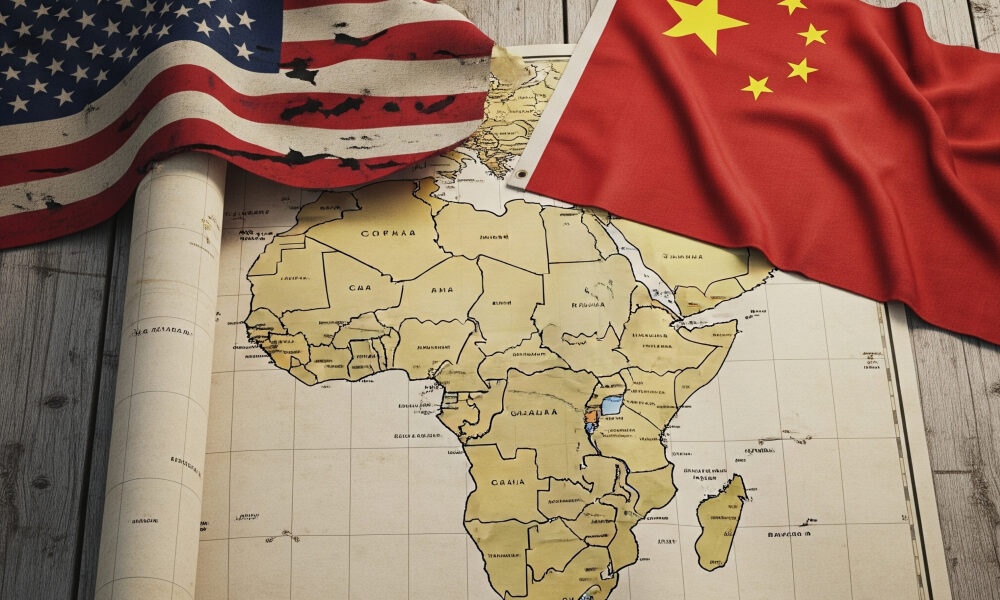
In the shifting sands of global geopolitics, Africa finds itself at a pivotal crossroads. As major powers intensify their competition for influence on the continent – from China’s Belt and Road Initiative to Russia’s diplomatic overtures and the West’s renewed development pledges – debate rages: Should Africa align with the East?
Re-engage with the West? Or chart a new path altogether?
The answer, however, is not about choosing sides. It’s about redefining the game.
The reality is straightforward: no nation acts out of altruism. Whether it’s Beijing, Moscow, Washington, or Brussels, every foreign power engages with Africa to advance its own strategic and economic interests.
That’s not cynicism – it’s realism. And Africa must respond not with sentiment, but with strategy.
The Real Question Isn’t Who, But What
The critical question is not which global partner Africa chooses – but what Africa gains from each partnership. The focus must shift from geopolitical alignment to tangible outcomes: jobs, infrastructure, technology transfer, and industrial growth within Africa.
History has shown that dependency – whether colonial or neo-colonial – leads to vulnerability. The goal now must be strategic autonomy: the ability to engage multiple partners simultaneously, ensuring no single country holds undue leverage.
This is where competition becomes Africa’s greatest asset.
Why Competition Works for Africa
When multiple global players compete for access to Africa’s markets, resources, and diplomatic support, African nations gain unprecedented negotiating power. This competition drives better terms:
- Improved financing terms with lower interest rates and longer repayment periods.
- Technology and skills transfer embedded in infrastructure and energy projects.
- Local content requirements that prioritize African labor, suppliers, and entrepreneurs.
- Greater policy space to shape deals that align with national development plans.
China’s recent announcement of zero-tariff treatment for least-developed African countries is a case in point. While welcome, it should not be seen as charity – but as a strategic move in a broader contest for influence.
Africa’s response should not be gratitude, but calculation: How can we use this to attract similar commitments from others?
Diversification: Africa’s Path to Leverage
Smart foreign policy is not about loyalty – it’s about options. Nations like Singapore, the UAE, and Vietnam have thrived not by pledging allegiance to one bloc, but by maintaining balanced, transactional relationships with many.
Africa must do the same.
By deepening ties with a broad spectrum of partners – China, the European Union, the United States, India, Turkey, and Gulf states – African governments can create a dynamic marketplace of cooperation. This diversification reduces risk, prevents overreliance, and strengthens collective bargaining power in trade, investment, and climate negotiations.
Leading from Strength, Not Dependence
The future of Africa’s global engagement must be guided by three principles:
- Openness – to investment, innovation, and dialogue, regardless of origin
- Balance – avoiding over-dependence on any single partner or ideology
- Agency – placing African priorities at the center of every agreement
Partnerships should serve Africa’s development agenda – not define it. Whether it’s building railways, launching tech hubs, or negotiating debt relief, African nations must lead from a position of strength, with clear red lines and measurable goals.
Strengthening Africa’s Negotiating Power
So, how can Africa improve its position in global trade and diplomacy?
- Build regional unity: The African Continental Free Trade Area (AfCFTA) is a game-changer. A unified market of 1.3 billion people commands far greater influence than 54 fragmented economies.
- Invest in negotiation capacity: Train specialized trade negotiators and legal experts to secure favorable terms.
- Enforce transparency: Publish all major contracts and ensure public scrutiny of foreign deals.
- Prioritize value addition: Demand that resource extraction includes local processing and job creation.
- Leverage soft power: Use Africa’s growing demographic, cultural influence, and climate leadership as diplomatic assets.
Conclusion: Africa’s Time to Lead
The world is watching Africa – not just for its minerals, but for its potential. But potential is not destiny.
To turn promise into progress, Africa must stop asking who to trust and start asking what each deal delivers.
The goal is not to pick a side in a new Cold War. It’s to rise above it.
Africa’s power lies not in alignment with any superpower – but in its ability to make every superpower align with its interests.
The future belongs to those who negotiate boldly, act collectively, and never confuse access with allegiance.
It’s time for Africa to lead – not follow.
Davida Ademuyiwa is a UK politician and founder of DaviGlobal International Trade & Investment. She facilitates cross-border investment and connects capital with scalable ventures across the UK, Europe, the Middle East, and Africa. She also serves as Regional Ambassador for the Conservative Policy Forum in the East of England, contributing to grassroots policy dialogue alongside her work in global trade and investment.