Alorh’s eye on the Motherland
Africa’s Resource Revolution: A Promise Unfulfilled?


By Mary Alorh
Africa’s latest push to harness its abundant natural resources for economic transformation may sound familiar – but this time, the stakes are higher, and the potential for real change is unprecedented.
The concept of resource nationalism – the idea that a nation’s natural wealth should primarily serve its own development – is gaining traction across the continent. The goal is clear: to generate sustainable revenue, create jobs, and drive inclusive economic growth from the riches beneath Africa’s soil.
Yet history offers cautionary tales. In the past, many African nations entered into resource deals without adequate due diligence, often resulting in lost opportunities, diminished revenues, and limited local benefit.
One major reason: a lack of skilled professionals capable of meaningfully participating in the extractive industries.
Bridging the Skills Gap: Progress and Persistent Challenges
When oil exploration began in Ghana, for instance, the country faced a stark reality – there were not enough local experts to lead or support the technical demands of the growing industry. In response, the government launched scholarship programs aimed at training young Ghanaians in oil and gas-related disciplines.
Ghana is not alone. Across the continent, countries like Nigeria have implemented similar initiatives.
Decades later, Nigeria now counts a significantly larger pool of professionals trained in petroleum engineering, geology, and other extractive-sector fields.
However, the promise of these investments has yet to fully materialize. A recent documentary by DW Africa, filmed a decade after Ghana’s first commercial oil production, highlights the broken promises made to communities like Atuabo.
Residents were told oil would transform their lives – but ten years on, many remain disillusioned.
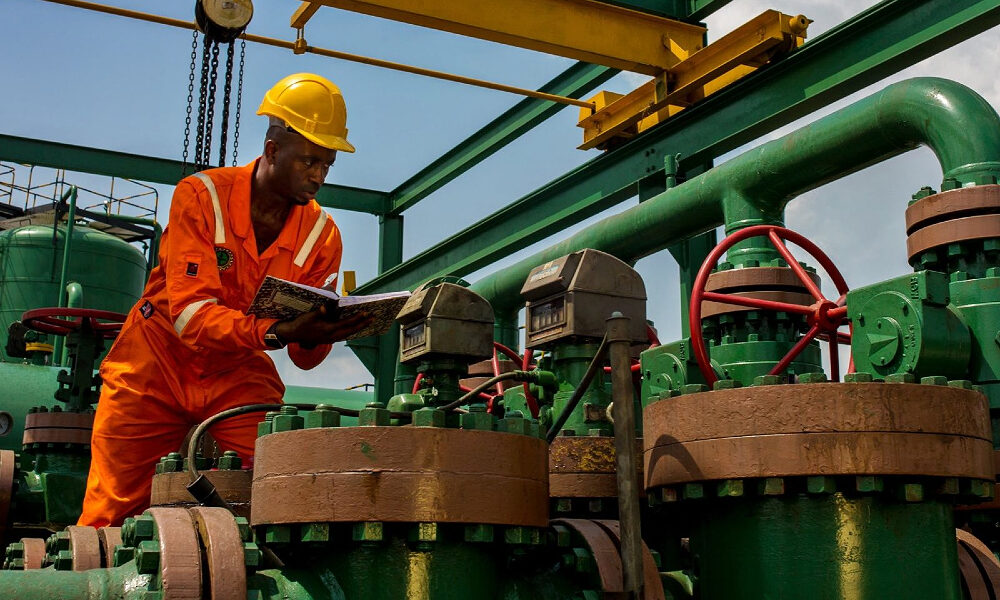
Despite acquiring skills in welding, fabrication, and other technical trades, numerous young Ghanaians have found themselves locked out of the very industry they were trained for. Foreign companies, which dominate the oil fields, often bring in their own expatriate staff, leaving little room for local employment.
This shift from agriculture to oil and gas has had unintended consequences. In many communities, farmland has been repurposed for industrial use, leading to rising unemployment and deepening poverty.
Toward an Inclusive Future: The Role of Leadership and Reform
Unemployment and poverty remain critical barriers to progress across Africa. Despite the continent’s vast natural wealth, many African nations still rank among the poorest in the world – with youth unemployment reaching alarming levels.
But there is hope. New leaders like President Duma Boko of Botswana are prioritizing reforms that empower young people – the true architects of Africa’s future.
By investing in education, job creation, and inclusive economic policies, African nations can begin to close the gap between resource wealth and shared prosperity.
Africa cannot afford to wait passively for change. To truly transform its fortunes, the continent must take bold, proactive steps to reclaim control over its resources – and ensure that their benefits reach the people who need them most.
Mary Alorh is Director of Administration at DefSEC Analytics Africa Ltd., and is an expert in Gender, Youth, and Peace & Security initiatives in West Africa.