Opinion
Africa’s Rail Revolution: The Missing Link to Continental Prosperity


By John Kourkoutas
A glance at a global railway map tells a story not just of connectivity – but of economic potential. Across Europe, China, and the United States, dense, modern rail networks crisscross nations, fueling trade, industry, and regional integration.
In stark contrast, much of Africa remains a patchwork of fragmented, underdeveloped, and often obsolete rail lines – many still operating on colonial-era narrow gauges ill-suited for 21st-century commerce.
But this infrastructure gap is no longer a liability. It’s becoming Africa’s most compelling opportunity.
The Shift: From Deficit to Demand
Africa isn’t just needing rail – it’s ready for rail.
Trade across the continent is accelerating. The African Continental Free Trade Area (AfCFTA), the world’s largest free trade zone by membership, is driving unprecedented demand for efficient cross-border logistics.
Meanwhile, urbanization, industrialization, and mineral extraction are expanding rapidly – yet goods still move primarily by road, increasing costs, delays, and emissions.
The solution? A continent-wide rail renaissance.
Why Rail Matters Now
Modern, standardized rail networks can transform Africa’s economic trajectory. Consider the benefits:
- Boost Regional Trade – Seamless rail corridors reduce transit times and costs, unlocking AfCFTA’s full potential.
- Connect Key Economic Zones – Linking ports to mining regions, agricultural belts, and industrial parks creates value chains, not just transport routes.
- Attract Infrastructure Investment – With public-private partnerships (PPPs) and multilateral backing on the rise, rail projects are gaining financial momentum.
- Drive Local Manufacturing – Reliable rail enables just-in-time logistics, empowering African factories to compete globally.
- Reduce Carbon Footprint – Shifting freight from road to rail can cut emissions by up to 75 percent, aligning with climate goals.

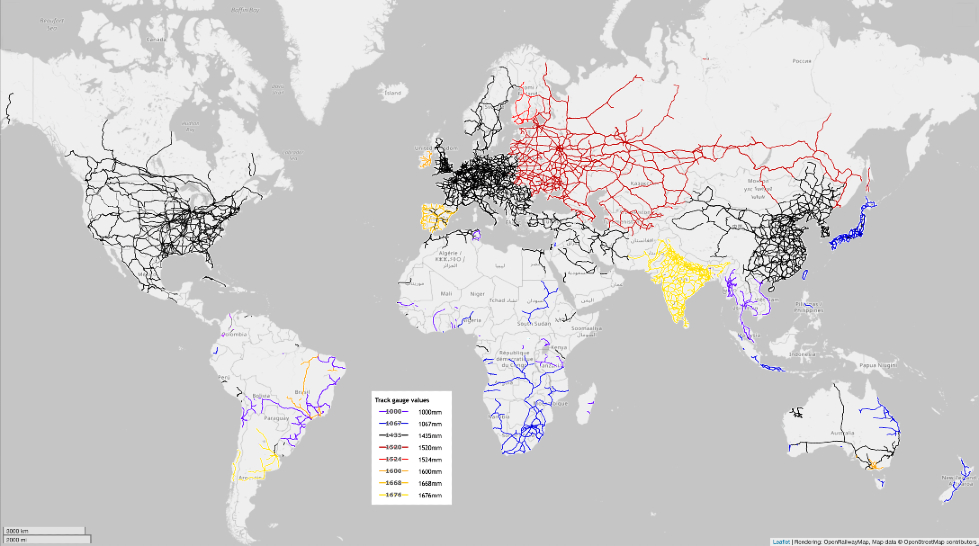
Map of the world’s railways showing the different gauges in use. Image credit: OpenStreetMap
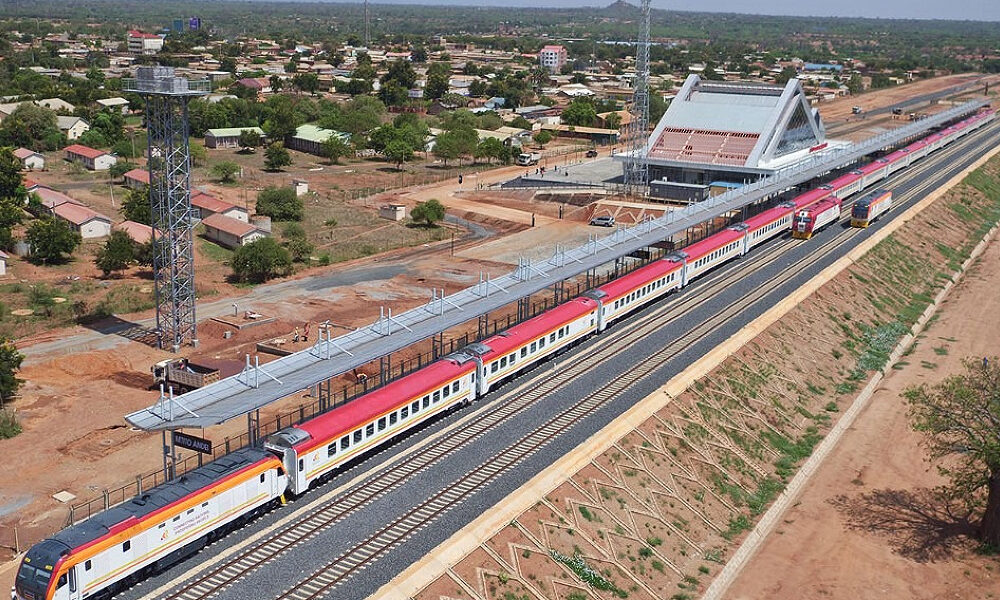
Countries are already moving. Kenya’s Standard Gauge Railway (SGR) is redefining East African logistics.
Nigeria is advancing the Lagos–Kano corridor and launching new urban rail systems. Angola and Zambia are rehabilitating colonial-era lines and building new ones to serve copper and cobalt supply chains.
China’s Belt and Road Initiative has played a role, but so have African-led initiatives and Western-backed financing models.
Yet, with less than 20 percent of Africa’s population living within 20 kilometers (12 miles) of a rail line, the continent is far from saturated. The demand for modern, interoperable rail systems has never been greater.
The Investment Frontier
For global infrastructure firms, logistics providers, rail technology suppliers, and engineering consortia, Africa’s rail deficit represents not a risk – but a rare, high-impact opportunity.
This isn’t just about laying tracks. It’s about:
- Deploying standardized, future-ready gauges (like standard gauge) to ensure interoperability.
- Integrating smart signaling, digital freight management, and green locomotion.
- Building maintenance hubs and local capacity to sustain long-term operations.
- Partnering with African governments and private sector players to co-develop corridors.
At MrExportToAfrica and Amplify Sales, we’re working with international partners who see beyond the map. They understand that Africa’s railways aren’t just steel and sleepers – they’re the backbone of a new economic era.
The Bottom Line
Africa’s rail network may still be sparse, but its potential is vast. As trade grows and integration deepens, the continent doesn’t just need better transport – it needs a transformation.
For investors, innovators, and nation-builders, the message is clear: Africa’s next great infrastructure story is on track. And the time to get on board is now.
John Kourkoutas is business development expert that specializes in helping companies, export teams, and business leaders succeed in Africa’s dynamic and emerging markets.