Alorh’s eye on the Motherland
Africa’s past in Israel-Palestine conflict


By Mary Alorh
Africa’s complex history, shaped by significant events like slavery, colonialism, and apartheid, has deeply influenced its unique political reforms and foreign policy approaches on the world stage. The emergence of the Non-Aligned Movement reflects Africa’s shared experiences and its collective pursuit of self-determination.
Colonized nations often had diverse experiences under the same colonial power. For example, while France colonized both Morocco and Algeria, their historical trajectories during that time were notably distinct.
These historical contexts influence modern diplomacy. In 2017, Togo stood alone among African nations in supporting the U.S. diplomatic mission to Jerusalem, whereas the majority opposed the move. Togo also planned to host the Israel-Africa summit that year, though the event was ultimately canceled.
Differences in responses to the Gaza conflict further illustrate this diversity. In October 2023, Kenyan President Ruto expressed support for Israel, contrasting with other countries like Ghana, which has maintained backing for Israel since 1958.
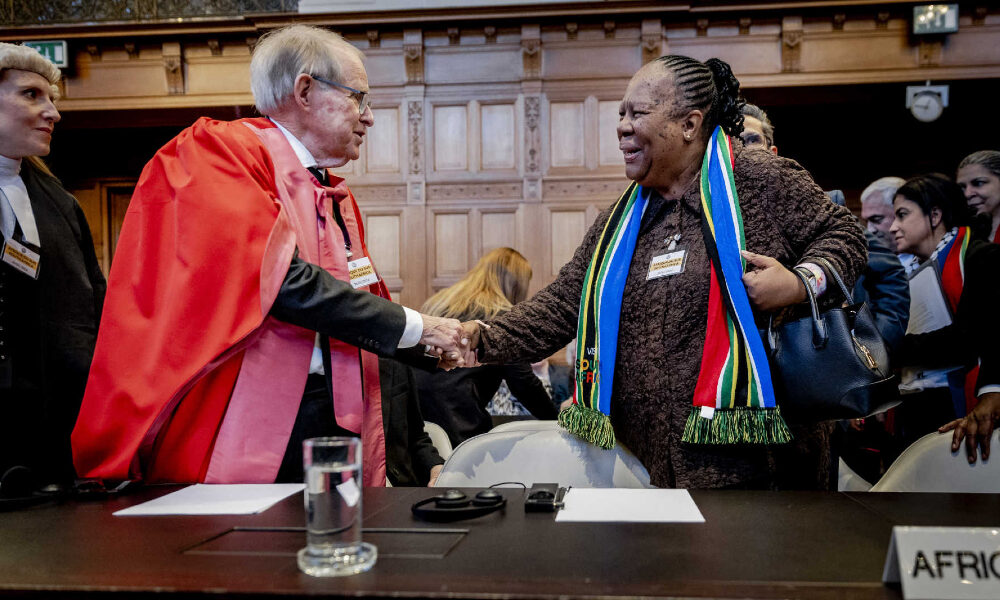
Meanwhile, the African National Congress (ANC) in South Africa, reflecting its own struggle against apartheid, views an end to occupation as essential to resolving the conflict. South Africa remains a strong advocate against Israel’s presence in Gaza, as does Algeria, whose fight for independence from France has inspired its solidarity with the Palestinian cause.
These varied perspectives stem from each country prioritizing its own national interests. Ghana’s alignment with Israel, for instance, may be a strategic move aimed at securing economic support and stability, rather than solely a reflection of ideological alignment on the conflict.
Economically, Israel continues to build trade relations across Africa, with South Africa and Nigeria emerging as prominent partners. In 2021, trade between Israel and Sub-Saharan Africa reached US$750 million.
On the political front, as Arab nations increasingly seek peace with Israel, some African nations with historical support for Palestine are reconsidering their stance, a shift that began in the 1970s. This evolving diplomacy has led to the establishment of Israeli embassies in multiple African capitals and an increase in Israeli humanitarian aid across countries like Kenya, Ethiopia, and Senegal.
The African continent’s varied perspectives on the Gaza conflict highlight how historical backgrounds continue to shape national decisions in the global pursuit of peace and stability in Gaza.
Mary Alorh is Director of Administration at DefSEC Analytics Africa Ltd., and is an expert in Gender, Youth, and Peace & Security initiatives in West Africa.