Alorh’s eye on the Motherland
Africa’s Greatest Asset: Its People – Young, Diverse, and Full of Potential


By Mary Alorh
Africa’s greatest strength lies in its people – a youthful and diverse population spread across five distinct regions: North Africa, Central Africa, East Africa, Southern Africa, and West Africa. Each of these regions brings its own unique history, culture, and contributions, enriching the continent’s identity and shaping its dynamic character.
As the world’s second-largest continent, Africa is home to 54 sovereign states, each with its own traditions, governance systems, and cultural heritage. To reduce this vast and complex continent to a single narrative or stereotype would be to overlook the richness of its past – from the ancient wisdom of Egypt to the grandeur of its many empires and kingdoms.
A Demographic Shift and Its Urban Challenges
Today, Africa stands at a crossroads. With one of the fastest-growing populations globally and a median age of just 19, the continent is experiencing a demographic shift that demands urgent action.
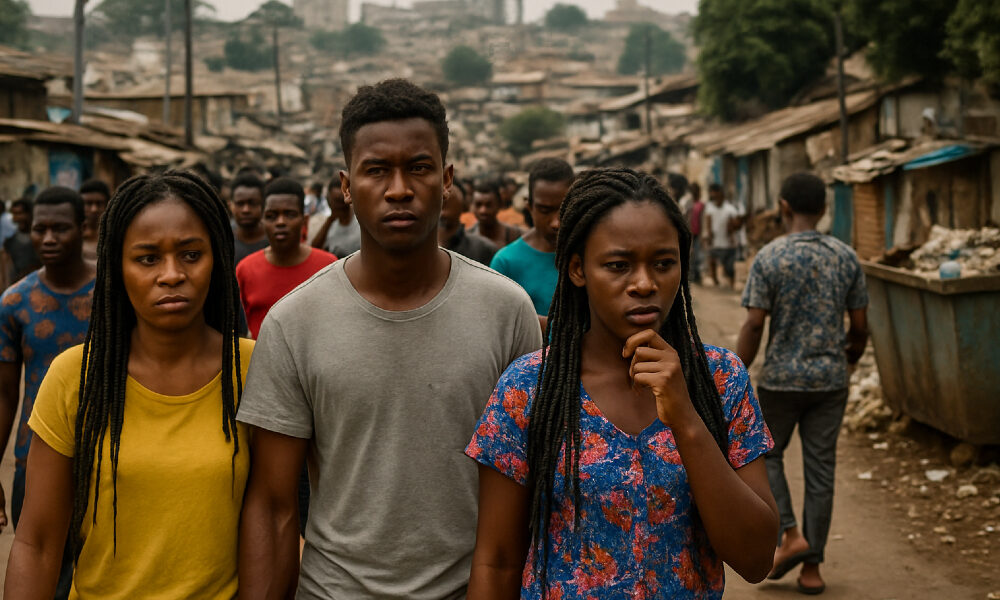
The current infrastructure in many African cities – particularly in sanitation and housing – is struggling to keep pace with rapid urbanization.
Cities originally designed to accommodate 500,000 residents are now home to millions, underscoring the pressing need for modernization and expansion. As urban centers grow, once-quiet neighborhoods have been transformed by commercial development and the rise of informal settlements.
These slums place immense pressure on already strained sanitation systems, exacerbating challenges in urban management. Nowhere is this issue more visible than in Accra, Ghana, where waste collection struggles to keep up with the demands of a growing population.
As of 2025, an estimated 30 percent of the city’s daily waste remains uncollected.
The consequences of inadequate sanitation are severe. Recent outbreaks of diseases such as cholera have been directly linked to poor waste and water management.
In Angola, over 8,500 cases of cholera were reported by March 25, 2025, resulting in 329 deaths. Sixteen out of the country’s 21 provinces have been affected, with Luanda and Bengo among the hardest-hit areas.
Planning for a Sustainable Future
Africa’s population growth represents both a tremendous opportunity and a significant challenge. Without strategic investment in infrastructure and sustainable urban planning, major cities risk becoming overwhelmed – hindering economic progress and limiting the continent’s potential in the 21st century.
The time to act is now, not only to support Africa’s vibrant youth but to build resilient, inclusive, and thriving urban environments for generations to come.
Mary Alorh is Director of Administration at DefSEC Analytics Africa Ltd., and is an expert in Gender, Youth, and Peace & Security initiatives in West Africa.