Zina’s Youth View on Africa
Africa’s Gen Z Uprising: Youth-Led Protests Demand Social Justice in Morocco and Madagascar


By Godfred Zina
Across Africa, a new generation is speaking out. From the streets of Casablanca to the avenues of Antananarivo, Gen Z protesters are redefining civic engagement and demanding social justice, accountability, and economic reform.
In recent months, youth-led demonstrations in Morocco and Madagascar have laid bare deep social and economic fractures – discontent fueled by unemployment, corruption, and inequality that disproportionately affect women and young people. Far from isolated outbursts, these protests reflect a generational reckoning with governments that have struggled to deliver inclusive progress.
Morocco: Balancing Control And Reform
In Morocco, authorities reportedly detained over 200 young protesters during demonstrations that called attention to economic hardship and political stagnation. Most have since been released, suggesting a careful balancing act by the government – seeking to maintain control while avoiding the kind of harsh crackdowns that could ignite wider unrest.
Prime Minister Aziz Akhannouch’s administration has expressed a willingness to engage in dialogue, but protesters continue to push for tangible reforms – including greater youth representation, accountability, and improvements in public services and healthcare. The challenge for Morocco’s leadership lies in translating promises of dialogue into structural change that restores public confidence.
Madagascar: From Shortages to a Political Showdown
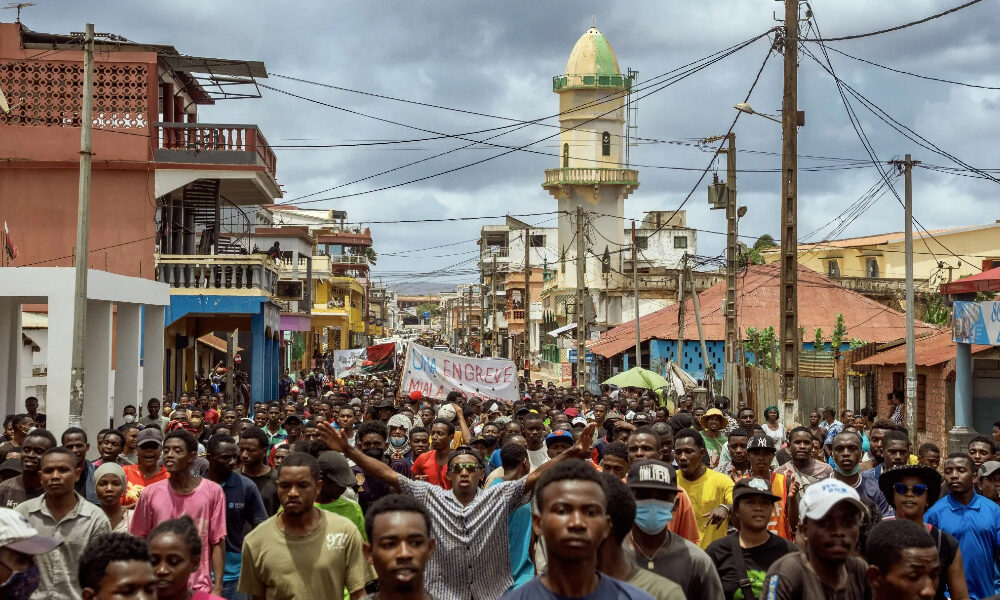
In Madagascar, the country has witnessed its largest demonstrations in over 15 years, initially triggered by shortages of basic goods but rapidly evolving into a national outcry against President Andry Rajoelina’s leadership.
The protests gained momentum after the arrest of two local politicians, tapping into broader frustrations over inflation, unemployment, and corruption. Reports of injuries and deaths have circulated widely – claims the government has dismissed as “rumors and misinformation.”
In response, President Rajoelina dissolved his cabinet, blamed foreign interference, and emphasized the loyalty of the military – moves that may consolidate authority in the short term but risk further alienating a restless population.
The Power and Pressure of Gen Z Activism
Both Morocco’s and Madagascar’s movements underscore the political awakening of Africa’s Gen Z – a demographic that is digitally savvy, globally aware, and increasingly unwilling to tolerate systemic injustice. Social media platforms have become their primary tools for mobilization and narrative control, allowing youth to bypass traditional gatekeepers of political discourse.
However, the persistence of protests also poses serious challenges for governance. Prolonged unrest in Madagascar could deter investment and stall economic reforms, while Morocco faces mounting pressure to open its political space and address structural inequalities before frustration hardens into cynicism.
A Call for Inclusive Dialogue
The path forward requires more than temporary appeasement. Morocco’s authorities must reassess their reliance on arrests and detentions, strengthen civil society engagement, and prioritize policies that create jobs and expand healthcare and educational access.
Madagascar’s government, for its part, must engage in credible, broad-based dialogue to rebuild trust and prevent further polarization.
Ultimately, the protests in both nations signal something larger than domestic political discontent – they represent a generational demand for dignity, accountability, and the right to shape Africa’s future. If governments listen, this wave of activism could become a catalyst for renewal rather than rebellion.
Godfred Zina is a freelance journalist and an associate at DefSEC Analytics Africa, a consultancy specializing in data and risk assessments on security, politics, investment, and trade across Africa. He also serves as a contributing analyst for Riley Risk, which supports international commercial and humanitarian operations in high-risk environments. He is based in Accra, Ghana.