A Diaspora View of Africa
African Youth Becoming Anti-Government


By Gregory Simpkins
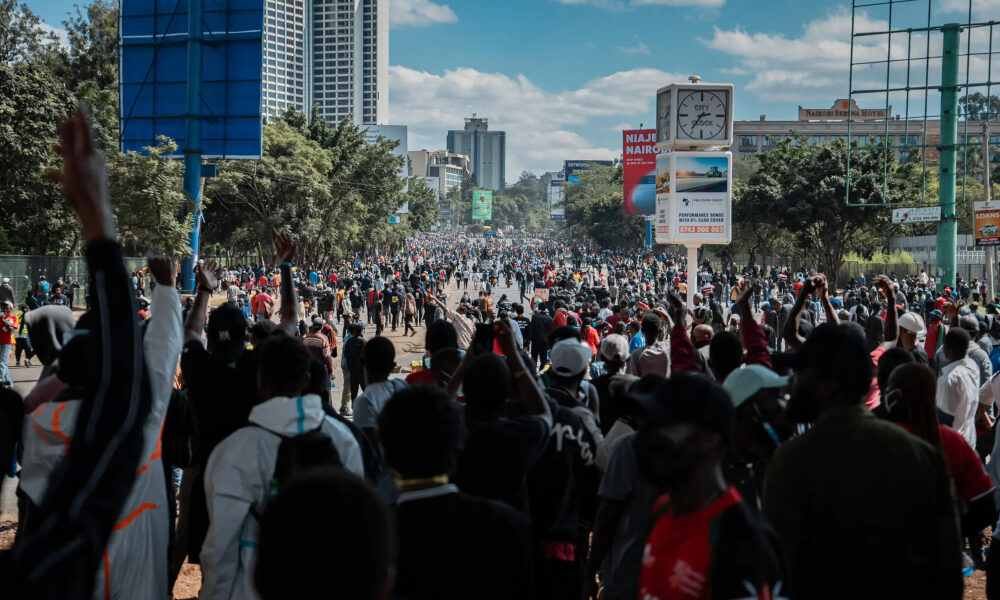
In a recent statement, the Kenya National Commission on Human Rights reported that the death toll from antigovernment protests in the country had surged to at least 31 people, with at least 107 others wounded during the nationwide protests.
The marches marked Saba Saba Day, meaning Seven Seven, which celebrates the date when Kenyans rose up to demand a return to multiparty democracy on July 7, 1990, after years of rule by then-President Daniel arap Moi. They came amid more than a year of mostly youth-led protests that have swept across Kenya since June 2024, when proposed tax rises triggered anger about wider issues, including the state of the economy, corruption and police brutality.
In a subsequent LinkedIn post, Lailla Mutajogera, CEO & Founder of the Muta Investment Firm, said more than 75 percent of Kenya’s population is under 35, but more than two-thirds of young people are unemployed or underemployed.
Thousands are protesting, but underneath it all is a simple desire, she said, for dignity, opportunity and a future worth staying for. Kenya’s economy is growing (5.2 percent this year), but it doesn’t feel like growth when you can’t find decent work or afford rising costs.
Kenya is full of potential as a rising tech hub in Africa. Agriculture employs 60 percent but needs investment to modernize.
A housing unit deficit of two million units could create jobs and hope, but the country is recently have been sparked by a proposed finance bill, economic hardship, and police brutality. The demonstrations have resulted in loss of life, injuries, and property damage. Kenyan youth are demanding better governance, economic justice, and an end to corruption.
Youth Movements Across Africa: A Growing Trend
But this East African nation is not an isolated example of growing youth unrest. Actually, young people are protesting in several African countries, driven by various concerns.
Here are some of the key locations and reasons:
In Uganda, young people have taken to the streets to protest against corruption, high cost of living, and bad governance. The protests have been met with a heavy security presence, and over 100 protesters were arrested.
The youth are demanding the resignation of the Parliament Speaker and better economic management.
Nigerian youth are planning protests to address inflation, insecurity and poor governance. The protests aim to highlight corruption, which costs the country billions annually, and demand reforms.
Ghanaian youth had vowed to hold protests to hold their government accountable ahead of polls last December.
In South Africa, young people have protested against climate change, demanding immediate action from the government. They are calling for a transition to 100 percent renewable energy, a moratorium on new coal, gas, and oil mining licenses, and mandatory education curriculum on climate change.
Senegalese protests erupted two-years ago, over the conviction of then-opposition leader Ousmane Sonko, with concerns about the previous regime’s willingness to use disproportionate violence to suppress dissent.
In Mali and Burkina Faso, youth-led frustrations with civilian governments have led to military coups, driven by young soldiers and their supporters. These protests demonstrate a growing trend of youth-led movements across Africa, demanding better governance, economic opportunities, and accountability from their governments.
The Alarming Rise of Brain Drain Among African Youth
Absent action to address the concerns the youth cohorts are protesting, many talented young people will not only leave their home countries, but the continent as a whole.
Africa’s brain drain is a significant concern, particularly among its youth. The continent loses an estimated 20,000 to 70,000 professionals annually to migration, with many young people seeking better opportunities abroad. Here’s a breakdown of the situation:
There are several reasons for brain drain:
- Unemployment: Lack of job opportunities and career advancement prospects drives young Africans to seek employment elsewhere.
- Economic Instability: Countries with unstable economies, poor infrastructure and limited resources struggle to retain skilled professionals.
- Limited Opportunities: Insufficient access to quality education, research and vocational training hinders personal and professional growth.
As a result, the brain drain deprives Africa of skilled professionals, hindering development and progress in critical sectors like healthcare, education, and technology. The exodus of experienced professionals creates a gap in skills and experience, making it challenging to cultivate the next wave of leaders and entrepreneurs.
Numerous countries are affected, including:
- Kenya: Brain drain is a longstanding issue, with many skilled professionals leaving due to economic instability and limited career prospects.
- Nigeria: Unemployment and poverty fuel brain drain, with many young Nigerians seeking better opportunities abroad.
- South Africa: A significant number of young South Africans plan to leave the country due to economic concerns and limited opportunities.
- Ethiopia: The country faces significant brain drain in the healthcare sector, with many professionals migrating to other countries for better opportunities.
Reversing the Tide: Policy Solutions to Retain Talent
If governments wanted to reverse this brain drain phenomenon, they could take actions such as:
- Offering remote work options and tax incentives could help retain African talent.
- Investing in quality education and vocational training to equip young people with skills that match market demands.
- Encouraging entrepreneurship, innovation and investment can help create jobs and stimulate economic growth.
Africa is poised for an economic takeoff, but that rise will be stunted without the active participation of its younger generation. Without action to address the current economic and political deficits, African nations will look from afar as their talented youth power the economies of other countries.
Gregory Simpkins, a longtime specialist in African policy development, is the Principal of 21st Century Solutions. He consults with organizations on African policy issues generally, especially in relating to the U.S. Government. He further acts as a consultant to the African Merchants Association, where he advises the Association in its efforts to stimulate an increase in trade between several hundred African Diaspora small and medium enterprises and their African partners.