Business
African Sugar Industry seeks more regional trade to beat low sugar prices
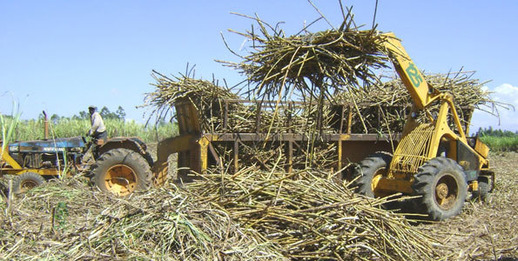
African sugar producers on Tuesday sought ways to increase trade of the commodity on the continent to survive falling world prices and the end of duty-free access to the European Union. Sugar prices on the global market especially in the European Union (EU), Africa’s biggest external market, have fallen sharply over the last years due to oversupply, and African producers are seeking new markets to cushion themselves.
The EU, which allowed a duty free market to many African producers, decided last year to end sugar quotas in 2017, and its internal prices are expected to fall significantly. “The world market is going to be very volatile,” Alan Wood, American Sugar Holdings (ASR Group) Head of Global Commodities, told Reuters at the fourth Africa Sugar Conference in Kenya’s port city of Mombasa.
Wood also said, “We have had four years in a row where supply has exceeded demand. When prices are low, people produce less.” Africa produces 14 million tons of Sugar annually, lower than its 19 million tonne consumption rate, according to the International Sugar Organization, and experts at the conference argued that was a perfect opportunity for the continent to trade with itself, to compensate for the deficit.
African sugar producers who export to the EU are extremely concerned they will be hurt by its decision to end sugar quotas. The ACP group of producers, comprising 79 African, Caribbean and Pacific states, said last June it was “appalled” by the decision. It had sought the extension of quotas until 2020.
Some producers in eastern and southern Africa are among the world’s lowest cost producers and should, however, be well placed to win sales to other markets although the business may be less lucrative. Lindsay Jolly, International Sugar Organization’s (ISO) Senior Economist said the fall in EU prices had been caused by, among other factors, a decline in demand.
Jolly advised, “The most logical choice is to look at regional markets… They can also look elsewhere on the world market.” Europe buys 34 percent of all its sugar needs sugar from Africa. The price of a ton of sugar on the international market has declined by 450 Euros in the past two years, falling from 800 Euros in 2012, to 350 Euros in 2014, according to statistics from the ISO, seen by Reuters at the conference.
Jolly added, “Post-2017 when we have a free market in Europe, the prices will probably fall further…. African producers must deal with how to live together with other sugar-producing countries, harmonize policy, share markets and reduce the cost of production. Governments might have to change their mind sets and help to develop these trade corridors.”