Zina’s Youth View on Africa
African Nations Turn to IMF Amid Economic Turmoil – But at What Cost?


By Godfred Zina
Despite growing skepticism about the long-term efficacy of relying on institutions like the International Monetary Fund (IMF), many African nations are once again turning to the Bretton Woods institution for financial lifelines. With faltering exchange rates, widening fiscal deficits, and mounting external pressures, these countries are seeking urgent solutions to stabilize their economies.
But as the list of nations accepting IMF deals grows, so do concerns about the hidden costs of such arrangements.
In just the first four months of 2025, five African countries – Tanzania, Mali, Ghana, The Gambia, and Egypt – have secured staff-level agreements with the IMF. These deals span a range of funding programs, from emergency assistance to climate-focused initiatives.
However, while the immediate relief is undeniable, questions linger about the broader implications for these nations’ economic sovereignty and social well-being.
The Deals in Focus
- Tanzania: On April 17, Tanzania reached a staff-level agreement for US$441 million, aimed at bolstering its economy amid rising global uncertainties.
- Mali: The West African nation received US$129 million under the Rapid Credit Facility to address urgent payment needs following devastating floods. This emergency funding underscores the region’s vulnerability to climate shocks.
- Ghana: In a move to sustain its ongoing economic recovery, Ghana secured US$370 million on April 15 as part of the forth review of its US$3 billion IMF program. While the funds provide short-term relief, they also highlight the country’s recurring need for external support.
- The Gambia: The small West African state gained access to US$100.9 million with US$65 million earmarked specifically for climate resilience projects. This marks a step toward addressing environmental challenges, but the long-term impact remains uncertain.
- Egypt: The North African heavyweight received two significant disbursements: US$1.2 billion under a general financing arrangement and an additional US$1.3 billion through the Resilience and Sustainability Facility. These funds aim to support Egypt’s transition to a greener economy, though critics question whether such measures will be enough to counterbalance structural inefficiencies.
The Hidden Price of IMF Bailouts
While the influx of capital offers temporary relief, it often comes with strings attached – strings that can exacerbate existing vulnerabilities. For countries like Ghana and Mali, repeated recourse to IMF bailouts signals deeper structural issues that extend far beyond the scope of short-term fixes.
Without comprehensive reforms, these nations risk falling into perpetual cycles of debt, dependency, and diminished fiscal autonomy.
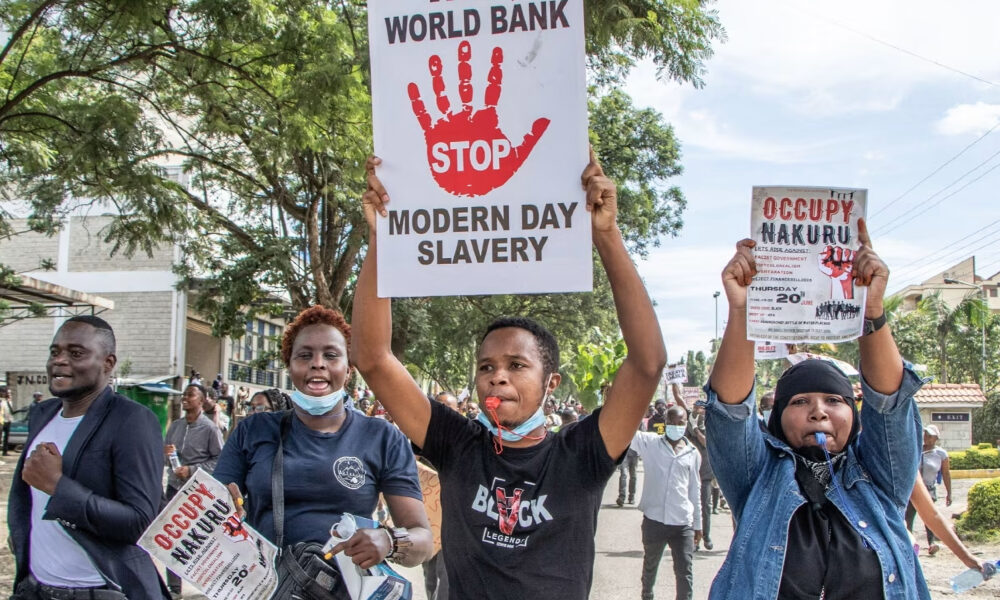
IMF loans frequently impose stringent conditions, including austerity measures, subsidy cuts, and currency devaluations. These policies, while intended to restore macroeconomic stability, often come at a steep social cost.
Austerity measures can deepen poverty, reduce access to essential services like healthcare and education, and fuel political unrest. In the absence of robust social safety nets, vulnerable populations bear the brunt of these adjustments, further widening inequality.
Short-Term Relief vs. Long-Term Risks
On the surface, IMF interventions can deliver tangible benefits. They help restore investor confidence, inject liquidity into struggling economies, and mitigate the risk of social unrest driven by economic hardship.
However, the sustainability of such measures is debatable. Without addressing the root causes of economic instability – such as over-reliance on imports, poor governance, and inadequate infrastructure – these countries may find themselves trapped in a cycle of borrowing and repayment.
Moreover, the emphasis on short-term fixes often diverts attention from long-term development goals. For instance, while climate-focused funds like those allocated to The Gambia and Egypt are commendable, they must be accompanied by broader strategies to build resilient economies.
Otherwise, the risk remains that these initiatives will serve as mere Band-Aids rather than transformative solutions.
A Call for Strategic Reforms
The reliance on IMF funding underscores the urgent need for African nations to pursue structural reforms that promote self-sufficiency and sustainable growth. This includes diversifying economies, strengthening local industries, and investing in human capital.
Additionally, governments must prioritize transparency and accountability to ensure that borrowed funds are used effectively and equitably.
As African countries navigate the complex trade-offs of IMF partnerships, the question remains: Can these deals pave the way for lasting prosperity, or will they merely perpetuate cycles of dependency and hardship? The answer lies not in the loans themselves, but in how these nations choose to leverage them – and whether they can break free from the patterns that led them to seek external help in the first place.
For now, the continent finds itself at a crossroads. Will 2025 mark a turning point toward economic resilience, or another chapter in a familiar story of borrowed time?
Only time – and strategic action – will tell.
The true cost of IMF deals extends beyond monetary terms – it’s measured in the opportunities lost or gained for meaningful economic transformation.
Godfred Zina is a freelance journalist and an associate with DefSEC Analytics Africa – a consulting agency specializing in the provision of accurate data and assessments on security, politics, investment, trade, and other risks within Africa. He is based in Accra, Ghana.