Business
African finance leaders mull adopting China’s yuan as a reserve currency
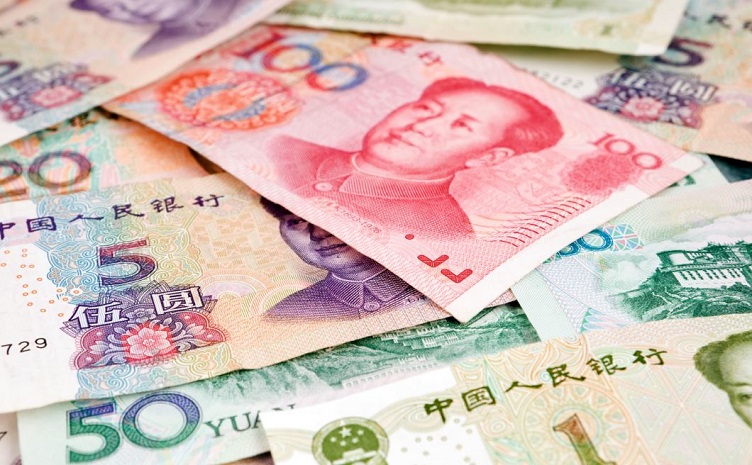
Reuters | Central bankers and officials from 14 African nations will discuss the viability of using China’s yuan as a reserve currency for the region, the official Xinhua news agency said on Tuesday.
Seventeen top central bankers and officials from the region are meeting at a forum in Harare, Zimbabwe to consider the possibility of using the yuan in national reserves, Xinhua said, citing a statement from the Macroeconomic and Financial Management Institute of Eastern and Southern Africa (MEFMI).
The forum, taking place on Tuesday and Wednesday, is being attended by deputy permanent secretaries and deputy central bank governors, as well as officials from the African Development Bank (AfDB), Xinhua reported.
Attendees are focusing on the weakening external positions of most member countries, following an economic slowdown.
“Most countries in the MEFMI region have loans or grants from China and it would only make economic sense to repay in renminbi (Chinese yuan),” said MEFMI spokesperson Gladys Siwela-Jadagu.
“This is the reason why it is critical for policy makers to strategize on progress that the continent has made to embrace the Chinese yuan which has become what may be termed ‘common currency’ in trade with Africa,” she added.
MEFMI includes Angola, Botswana, Burundi, Kenya, Lesotho, Malawi, Mozambique, Namibia, Rwanda, Swaziland, Tanzania, Uganda, Zambia and Zimbabwe.
Earlier this year, several central banks in Europe also revealed plans to hold yuan as part of their foreign currency reserves, highlighting the Chinese currency’s rise as a unit in the world’s major foreign exchange reserve.
“With China as the largest trading partner of over 130 countries, the main challenge for African countries is how to benefit from the new pattern of international commerce,” said Siwela-Jadagu.
China’s strategic goal of making the yuan a major global unit of foreign exchange were bolstered this year as the currency stabilized, helping increase foreign purchases of domestic bonds and stocks.