Business
African American unemployment drops to 11.9% in December
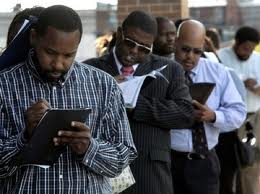
Unemployment rates fell for every major group of Americans last year, the unemployment rate in the United States also dropped to 6.7 percent, the lowest since 2008 – a hopeful sign for the economic recovery. Yet some groups are benefiting more than others. And in some cases, unemployment is falling for the wrong reason.
College graduates are in the best position to land a job since the 2008 financial crisis. About 1.2 million of them found jobs in 2013, accounting for more than half of all hiring. Their unemployment rate fell to 3.3 percent from 4 percent. However, despite the gains, unemployment is still above its roughly 2 percent average before the crisis.
The unemployment rate fell for high school graduates and drop-outs, too, but that’s primarily because many stopped looking for work. The U.S. government counts people as unemployed only if they are actively searching for a job. So the drop in unemployment for these two groups was bad sign for the broader economy. About 760,000 of them left the workforce last year, which hurts consumer spending, incomes, and tax revenue collection.
At the same time, the historic gaps between racial and ethnic groups still persist. The unemployment rates for African Americans and Hispanics both dropped. But they continued to be substantially higher than for whites and Asians. The unemployment rate for African Americans fell once again from 12.5 percent in November to 11.9 percent in December; according to the U.S. Department of Labor, the number of African American men in the workforce either holding a job or looking for one, is at its lowest level in 41 years.
Congressional Black Caucus Chairwoman Marcia Fudge wishes she could be more optimistic about the jobless rate in African American and other communities of color. “In every single report, African Americans have lagged behind everybody else. So I’m just hopeful that we don’t fall any further behind than we already are. But I know that we need to do more, no matter what the numbers show, to target communities of color and high poverty to make sure we can get them back to work.”
Source: Associated Press