Opinion
Africa must use new BRICS bank (NDB) to bridge infrastructure gap
By Nomfundo Xenia Ngwenya and Cyril Prinsloo
Africa’s infrastructure financing deficit, estimated to be US$100 billion a year, remains persistently large. The resulting lack of investment in energy, transport and water infrastructure on the continent presents a significant barrier to economic growth and development.
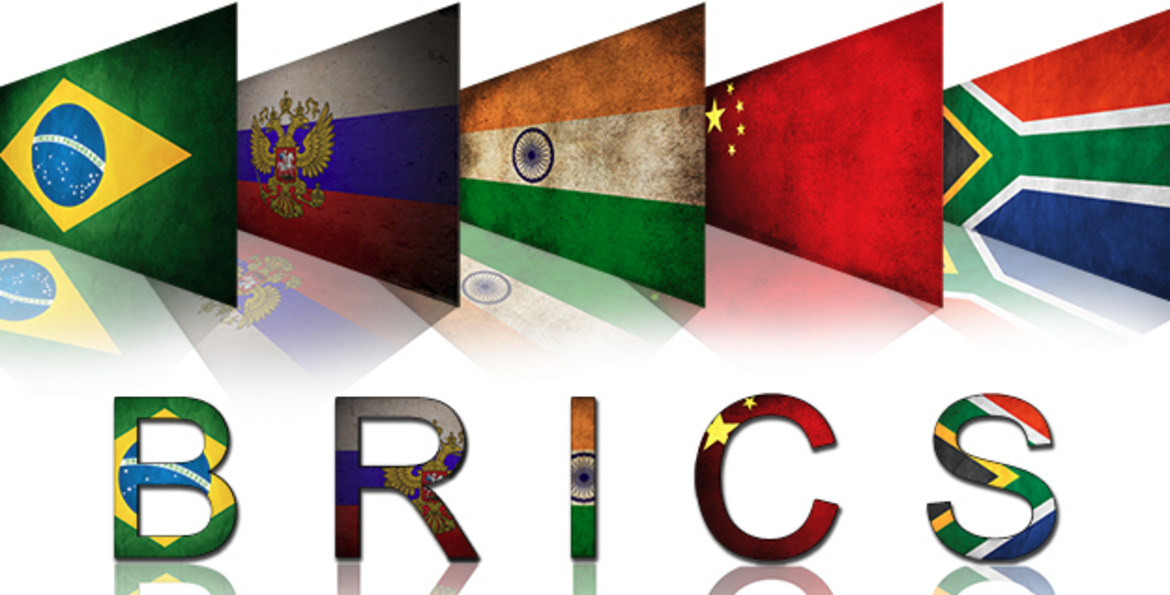
If the recently established New Development Bank (NDB) of the BRICS group of countries including Brazil, Russia, India, China and South Africa is contribute towards closing this gap and addressing related issues, it must understand the limitations of the existing multilateral development banks such as the World Bank and the African Development Bank (AfDB), and assess the value it can add.
However, the NDB’s ability to respond to African needs equally has to begin with Africa raising its voice in these early stages of the bank’s implementation. There are 3 reasons why Africa should make itself heard.
Firstly, the pace of project financing in Africa is too slow to be sufficiently responsive to the urgency of the continent’s infrastructure needs.
The NDB has already demonstrated agility and efficiency, extending loans to 4 of its members – Russia being the exception – within 6 months of commencing operation. Originally conceived in fiscal year 2011/2012, the bank has gone from a mere concept to extending its first loans in April this year, providing nearly US$1 billion worth of loans to fund infrastructure projects. In the light of ongoing criticism that the bureaucracy in some of the established multilateral development banks leads to turn-around times of more than 18 months from application to a loan being awarded, with further delays for disbursements, this is a significant development.
Despite the economic and political challenges in some BRICS countries, which initially led to skepticism about the NDB’s viability, it is significant that all BRICS countries contributed their first tranche of paid-in capital on time and in full.
Secondly, the NDB is eager to set new norms to respond better to countries’ needs. Already there are a number of ways in which it has tried to distinguish its model from its more traditional counterparts.
The first is the governance structure of the bank.
In contrast to most multilateral development banks, capital and voting rights are equally shared among the 5 founding members. This avoids the criticism surrounding the disproportionate influence exercised by wealthy member states in traditional multilateral development banks. The NDB will open its membership to all members of the United Nations and, according to the bank’s president, KV Kamath, its board of directors is likely to decide in the next 6 months when this expansion will begin.
Although the BRICS countries will retain a 51 percent shareholding, the remainder will be split among emerging markets and developing economies, as well as developed countries. Select nations will be invited by the board of governors to participate in the bank. This presents an ideal opportunity for African countries to lobby to be part of this initiative. To the extent possible, African countries should also lobby that the principle of equity is not diluted as the bank expands membership and political interests become more diverse.
The NDB is also attempting to change established norms through greater leveraging of domestic private capital within developing countries. This is particularly important for a country like South Africa, where substantial financial resources in the private sector are not being meaningfully channeled towards infrastructure development, thus creating a disconnect between the government’s plans and the institutions who have the resources to finance those plans.
Thirdly, the NDB has already started extending loans in domestic currencies – in the case of the loan extended to China – which will assist countries to mitigate exchange-rate risks when borrowing, which typically occurs in US. dollars. This is a particularly important development as African countries grapple with the devastating effects of borrowing in foreign currency, which has contributed to the evolving sovereign debt crisis.
Lastly, according to the NDB’s vice-president and chief financial officer, Leslie Maasdorp, the bank will rely on existing country systems, rather than imposing new systems that create overly bureaucratic processes. This will be done in order to speed up operations and secure greater involvement from domestic players.
Thirdly, Africa must proactively engage the bank. The NDB’s Africa Regional Center, based in South Africa, could benefit from practical suggestions to address infrastructure financing challenges that are faced by the continent. At the AfDB’s annual meeting in Lusaka, Zambia last month, the Global Economic Governance Africa Programme and South Africa’s National Treasury co-hosted an outreach event to brief African stakeholders on the status of the bank. The interest from African countries was immense and vice-president Maasdorp invited African countries actively to liaise with the African Regional Center.
Being the first regional office to be opened by the bank, the Africa office will set an important standard for future regional offices. There are already indications from the South African government that it would like to see the regional office playing a critical role in financing project preparation.
The shortage of bankable projects in Africa has been repeatedly identified as the main stumbling block to Africa’s infrastructure financing. Early engagement between Africa and the NDB should include the vital conversation on ensuring that project preparation goes beyond bankability, towards integrating indicators that demonstrate how NDB-funded projects will address and measure poverty alleviation and the empowerment of women. The effectiveness of the NDB in financing project preparation will require active engagement with African governments, development finance institutions and the private sector from the onset. Formal platforms for engagement between these stakeholders and the leadership of the Africa Regional Center must be established promptly. As the only African country that is currently a member of the bank, South Africa should play a leading role in creating this bridge.
Cyril Prinsloo is a Researcher at the South African Institute of International Affairs, while Nomfundo Xenia Ngwenya is the Project Director for the Global Economic Governance Africa Programme.