Opinion
Africa Isn’t One Market – It’s Five Distinct Agricultural Economies
Treating the continent as a monolith isn’t just lazy thinking. It’s a recipe for commercial failure.


By Ashish Muley
The most expensive mistake an exporter, investor, or policymaker can make when entering the African continent is also the most common one: assuming Africa is a single market. It is not.
After profiling 34 African countries across our Africa Agriculture Export Series, a picture emerges that is far more complex – and far more rewarding – than conventional wisdom suggests. Africa is a continent of five distinct regional agri-economies, each governed by its own trade dynamics, import patterns, infrastructure realities, and consumer demands.
Treating them as interchangeable is not merely imprecise; it is commercially ruinous. Here is what the data actually shows.
West Africa: The Demand Engine
Covering Nigeria, Ghana, Ivory Coast, Senegal, Mali, Niger, Burkina Faso, Benin, Togo, Sierra Leone, and Liberia, West Africa is the continent’s most voracious consumer market. It is home to a large and rapidly growing population undergoing one of the fastest urbanization trends anywhere in the developing world.
That shift from rural subsistence to urban consumption is driving explosive demand for imported staples and processed foods – demand that domestic agriculture is structurally unable to keep pace with.
For exporters, this region rewards scale. High-volume strategies, reliable supply chains, and competitive pricing are the keys to unlocking West Africa’s considerable appetite.
East Africa: The Growth Corridor
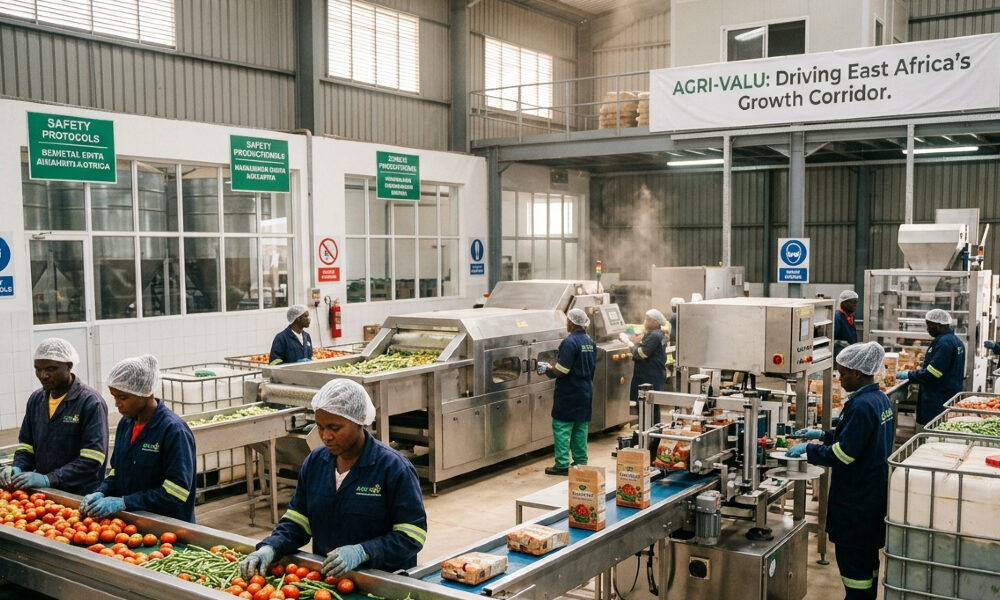
Ethiopia, Kenya, Uganda, Tanzania, and Rwanda represent something rarer and more strategically valuable than immediate demand: they represent the future. East Africa is undergoing rapid agricultural modernization, with expanding regional trade connectivity and rising investment in agri-processing infrastructure.
What is being built here today will define the continent’s value-added food economy for decades.
Exporters who enter now – not as commodity suppliers, but as partners in the development of processing and logistics capacity – stand to gain a structural advantage that latecomers will find nearly impossible to replicate.
Southern Africa: The Balanced Player
South Africa, Zambia, Zimbabwe, and Namibia occupy a different commercial register entirely. These are markets with strong domestic agricultural production, more organized retail infrastructure, and supply chains sophisticated enough to evaluate products on criteria beyond price alone.
Consumers and buyers in Southern Africa are selective. That selectivity is an opportunity, not a barrier – provided you bring the right product.
Specialized, value-added, and premium offerings find their most receptive African audience here. This is the region where brand differentiation and product quality genuinely move the needle.
North Africa: The Structured Giant
Egypt, Morocco, Algeria, Tunisia, Libya, and Sudan together constitute one of the world’s largest food import regions by volume. These are not emerging or frontier markets – they are mature, institutionally sophisticated, and price-sensitive buyers operating under robust regulatory and procurement frameworks.
Success in North Africa is not primarily a marketing challenge; it is a compliance and competitiveness challenge. Exporters must meet rigorous standards, navigate established procurement systems, and price aggressively.
Africa’s agricultural potential is immense, but unlocking it requires a regional, not a continental, strategy. Those who invest in understanding Africa’s diverse markets will be best positioned to build lasting partnerships and capture the opportunities ahead.
If you approach Africa as one market, you will fail. If you understand its regions, you will scale.
Ashish Muley is an independent consultant with Stalwart Management Consulting, with 27+ years in agricultural commodity value chains, export markets, and international trade. He has led projects on business development and capacity building across African countries in partnership with international organizations. Formerly, he spent 15 years in financial services leadership, focusing on sales, marketing, and business development. Based in Pune, India, Ashish advises on agricultural trade, commodity markets, and Asia–Africa economic opportunities, and regularly writes on international trade and logistics.