Owusu on Africa
Africa in 2025 (Part II): Horn of Africa and North Africa
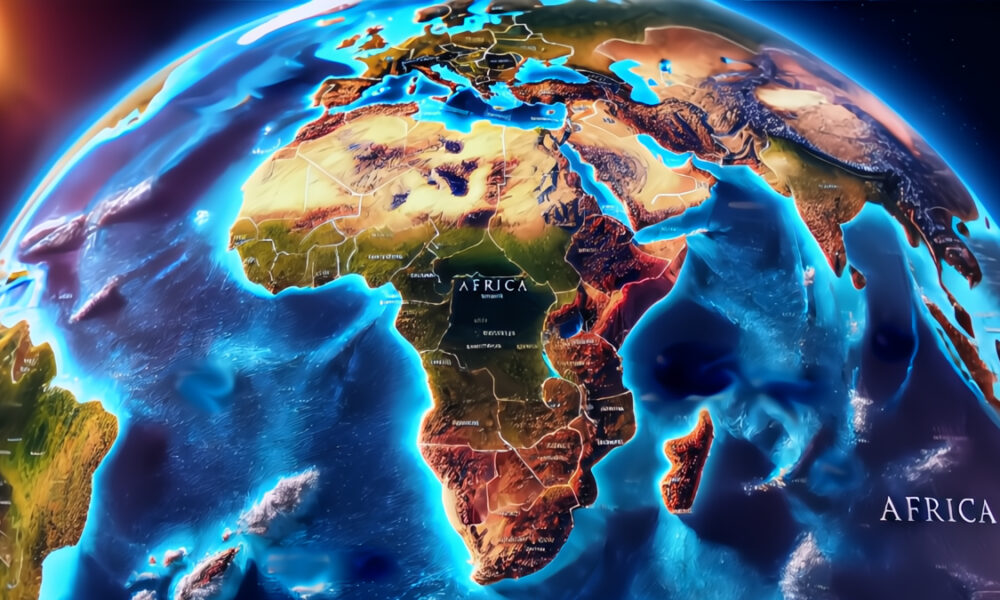


While the different geopolitical zones across Africa have dynamics worth the attention of observers in 2025, the Horn of Africa and North Africa present particularly interesting developments.
The two regions are the closest to Asia (specifically West Asia) and Europe. This means happenings here have inter-continental ramifications beyond Africa. Also, the important maritime ways in the Mediterranean, Red Sea, and the larger Indian Ocean are inextricably connected with these regional security complexes.
Moreover, 3 of the 5 largest economies are found there. Yes, the presence of Egypt, Ethiopia, and Algeria as well as Kenya makes the two regions economically consequential. In terms of land sizes, 3 of the 4 largest African states are located here: Algeria, Sudan, and Libya.
And so, what?
The current dynamics in the two regions require experts and security professionals to pay attention. Among these are the interstate tensions over territory in the Horn of Africa (between Ethiopia and Somalia) and its concomitant Turkish influence, the protracted civil war in Sudan, Russia’s presence in the region, and the effects of events and decisions in West Asia and Europe.
The only major elections in North Africa will be the parliamentary elections in Egypt. There will be no major elections in the Horn of Africa.
Furthermore, events in Syria and its ramifications on Africa have been among the 2024 surprises that have affected the continent and are likely to be significant in 2025. With the Russian bases in Syria shut down and Moscow finding a replacement in the politically and territorially divided country, the coming year could prove critical to the great power struggle in Africa. Also, Russia is still determined to establish a foothold on the Red Sea shores in Sudan.
The current dynamics in the two regions require experts and security professionals to pay attention. Among these are the interstate tensions over territory in the Horn of Africa (between Ethiopia and Somalia) and its concomitant Turkish influence, the protracted civil war in Sudan, Russia’s presence in the region, and the effects of events and decisions in West Asia and Europe.
The humanitarian consequences of the Sudan conflict are likely to get worse in 2025 as factions remain entrenched in their positions and demands. Mediators are frustrated with the dynamics of the conflict as it continues to affect neighboring states.
President Tayyip Erdoğan is likely to intensify Turkey’s emerging role as a major mediator in the Horn of Africa. He has already signaled Ankara’s interest in helping settle the impasse in Sudan. He would like to be seen to be relevant in the new scramble for Africa.
Despite the challenges in the region, major economies will continue to grow and dominate their peers. Egypt, Ethiopia, and Kenya are still expanding despite structural challenges.
Generally, Sudan, South Sudan, Somalia, and Libya are likely to continue experiencing domestic clashes of different kinds in 2025.
Fidel Amakye Owusu is an International Relations and Security Analyst. He is an Associate at the Conflict Research Consortium for Africa and has previously hosted an International Affairs program with the Ghana Broadcasting Corporation (GBC). He is passionate about Diplomacy and realizing Africa’s global potential and how the continent should be viewed as part of the global collective.