Business
Africa, China trade, investment ‘off to a flying start’ in 2017
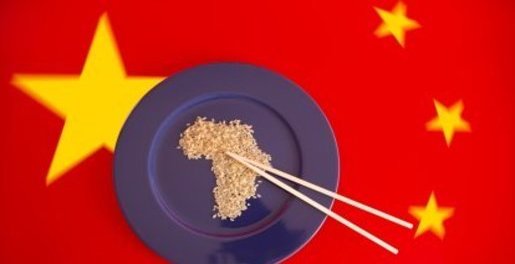
China’s trade with African countries in the first quarter climbed by nearly a fifth from a year earlier, while its direct investment in the continent soared 64 percent, the Chinese commerce ministry revealed late last week.
Trade cooperation between China and Africa is “off to a flying start” in 2017, thanks to policy benefits from a cooperative framework laid down by the Chinese and African leaders in South Africa in 2015, said Sun Jiwen, spokesman at the ministry.
Chinese President Xi Jinping announced plans to invest US$60 billion into African development projects at a summit in Johannesburg in 2015, saying it would boost agriculture, build roads, ports and railways.
According to Sun, China’s total trade with Africa rose 16.8 percent to US$38.8 billion in the first quarter, its first year-on-year increase since 2015.
That’s mainly due to a 46 percent jump in annual imports from Africa in the first quarter with agricultural imports rising 18 percent, while Chinese exports recorded a smaller fall of 1 percent from a year earlier, he added.
China’s non-financial direct investment to the continent also jumped 64 percent in the quarter, as countries such as Djibouti, Senegal and South Africa all saw a more than 100 percent rise in the quarter.
China’s growing investment on the continent is also likely to have been buoyed by its ambitious global trading strategy known as the Belt and Road Initiative, which appeared to be gaining traction recently, particularly in parts of east Africa where major infrastructure and defence projects are being built.
However, despite the bullish figures, some experts on Africa-China trade said that sharp price rises in products such as copper since late last year could be a major factor contributing to the impressive gains in trade value in the first quarter.
Africans broadly see China as a healthy counterbalance to Western influence but, as ties mature, there are growing calls from policymakers and economists for more balanced trade relations.
Source: Reuters