Opinion
AfCFTA’s Lack of Transparency on Annexes Threatens Its Implementation
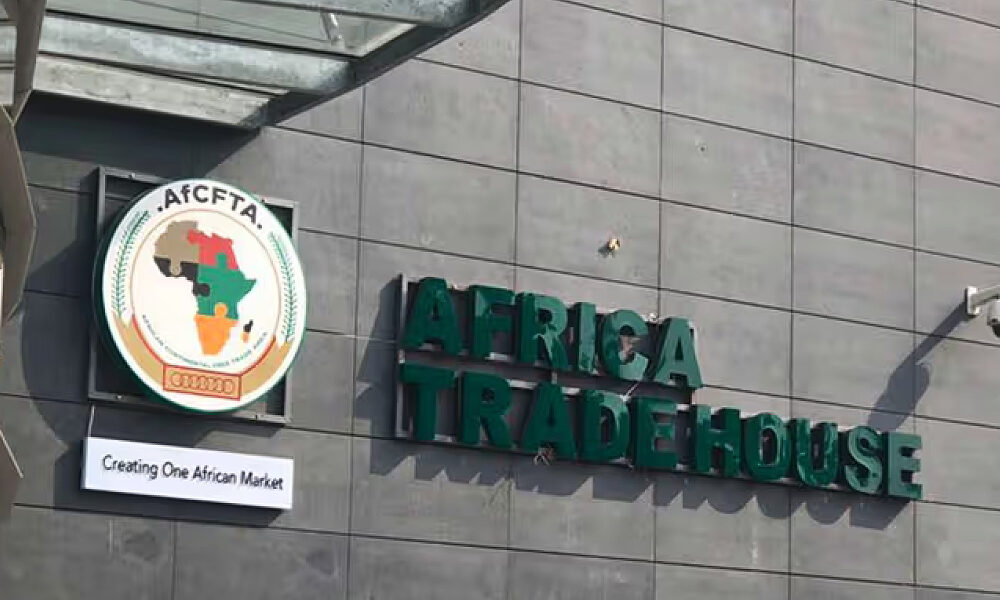


By Danilo Desiderio
The African Continental Free Trade Area (AfCFTA) was hailed as a transformative milestone in Africa’s economic integration when it was signed in 2018. Yet, five years later, critical aspects of its implementation remain shrouded in opacity, raising alarm among civil society groups and trade experts alike.
One of the most pressing issues involves the delayed disclosure of key annexes to the AfCFTA’s foundational protocols. According to recent reports from Bilaterals.org, several crucial annexes – particularly those tied to the Protocol on Intellectual Property Rights – remain under negotiation and inaccessible to the public.
This lack of transparency not only hampers accountability but also undermines the legitimacy of one of the continent’s most ambitious trade initiatives.
Understanding the AfCFTA Framework
At its core, the AfCFTA establishes a broad framework for the free movement of goods and services across Africa. However, the operational details are embedded within a series of Protocols and their accompanying annexes.
These include:
- Phase 1 Protocols: Trade in Goods, Trade in Services, and Dispute Settlement.
- Phase 2 Protocols: Digital Trade, Competition Policy, Investment, Intellectual Property Rights, and Women and Youth in Trade.
While the main text of these protocols has largely been finalized, many annexes – which contain the technical rules and standards essential for implementation – are still incomplete or confidential. For instance, although the Protocol on Digital Trade was approved earlier this year, all eight of its annexes were reportedly negotiated separately and behind closed doors, limiting public scrutiny and stakeholder input.
The Missing Link: Stakeholder Engagement
Transparency isn’t the only concern. There is growing criticism over the limited involvement of civil society, private sector actors, and academic institutions in shaping the annexes that will ultimately define how the AfCFTA functions in practice.
This contrasts sharply with best practices seen elsewhere. The European Union, for example, employs a permanent consultation mechanism known as the Trade Contact Group (TCG), which ensures continuous dialogue between policymakers and industry representatives during the development of trade regulations.
Additionally, draft documents are published online, accompanied by explanatory notes and feedback summaries, allowing for inclusive and informed debate.
Africa currently lacks such a structured platform for ongoing stakeholder engagement. While some organizations have participated in consultations, their contributions have often been sporadic and confined to final validation stages – too late to influence substantive outcomes.
A Question of Ratification
Adding to the uncertainty is the absence of clear procedural guidelines regarding the ratification of Phase 2 Protocols. Key questions remain unanswered:
- Does each protocol require individual ratification?
- Can member states consolidate multiple Phase 2 Protocols under a single ratification process?
- Are countries that have already ratified the core AfCFTA agreement required to pass new legislation for Phase 2?
These ambiguities could delay implementation further, especially if legal challenges arise or if national parliaments demand more clarity before approving the protocols.
Why It Matters
The stakes are high. Without transparent processes and meaningful stakeholder participation, the AfCFTA risks alienating the very communities it aims to empower.
Experience from other trade agreements shows that groups excluded from negotiations often become obstacles to implementation – especially when agreements are complex and far-reaching like the AfCFTA.
Moreover, the exclusion of civil society and private sector voices can lead to regulatory frameworks that fail to reflect local realities or address genuine market needs. In turn, this may result in resistance, delays, and inefficiencies at the implementation level.
Call for Reform
To ensure the AfCFTA realizes its full potential, African leaders must take urgent steps to:
- Publish all draft annexes for public review and comment.
- Establish a formal stakeholder consultation mechanism, modeled after systems like the EU’s TCG.
- Clarify ratification procedures for Phase 2 Protocols to avoid confusion and legal disputes.
- Ensure inclusivity by involving diverse voices from business, academia, and civil society throughout the negotiation process.
Only through open, participatory governance can the AfCFTA truly serve as a catalyst for inclusive growth, regional integration, and sustainable development across Africa.
Danilo Desiderio serves as the CEO of Desiderio Consultants Ltd in Nairobi, Kenya, specializing in African customs, trade, and transport policies. He is a customs and trade expert at the World Bank and a senior associate to the Horn Economic and Social Policy Institute (HESPI).