Politics
Women are Gaining Power in African Politics

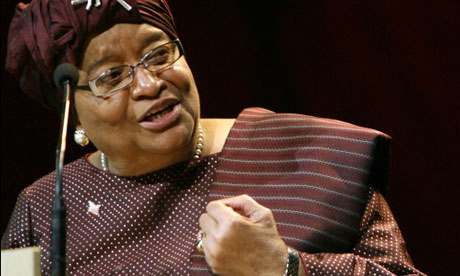
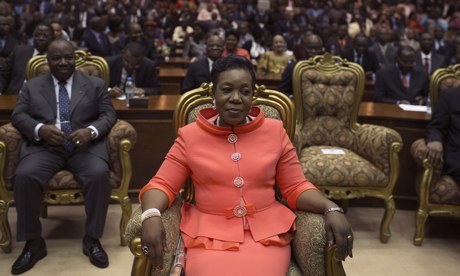
Africa now has three female heads of state, after Catherine Samba-Panza of the Central African Republic took office in January.
Though women leaders are still a rarity in African politics, activists say things are improving as women break into the “boys club” of the African presidency.
Liberian President Ellen Johnson Sirleaf, or “Ma Ellen,” was the first woman to be elected president, in 2005, as the country emerged from 13 years of brutal civil war.
Joyce Banda became president of Malawi in 2012 after the sudden death of the previous president and she had been the vice president.
And now there’s President Catherine Samba-Panza in the Central African Republic, a country engaged in rebellion and sectarian violence.
Interestingly enough, each of these women has taken office during a period of crisis and transition. In fact, countries like Mali have seen their first female presidential candidates. It seems, bad times are prying the doors open.
She also added that girls and young women are getting much-needed role models.
She went on to add, “To say it is possible, I can actually be a president being a woman…These trailblazers have just opened the flood doors and it’s just going to happen. There is no thinking of going back. We can’t go back.”
As African women break political “glass ceilings” at all levels of government, some are criticized for not doing enough to help other women. However, CAR President Catherine Samba-Panza made it clear from day one that she would be different. About a third of her Cabinet is female.
“I intend to respect parity because until now, the previous governments didn’t give us a lot of seats,” she said. “There were only two or three women. But I won’t choose women no matter what. I need to have women of worth, who are able to accompany my actions.”
Women hold just one-fifth of parliamentary seats and ministerial positions in sub-Saharan Africa. Although discrimination remains, the pool of qualified women is growing as more girls get to pursue an education. At least 16 African countries have passed parity laws. Countries like Rwanda reserve a percentage of parliamentary seats for women, while others like Senegal have set quotas for women on candidate lists.
In fact, the percentage of women in Senegal’s legislature doubled in 2012, thanks to the law, but prominent Senegalese politician and presidential adviser, Penda Mbow, says true equality requires societal change.
“Parity laws may be one tool but they are not enough. We also need to fix what goes on inside political parties and let capable, promising women emerge naturally so that when they are promoted, no one can say they got special treatment,” said Penda Mbow.
As of right now, Africa has three formidable female presidents tackling everything from security to corruption. Half a century after independence, women’s time may have come.
Source: Voice of America