Business
Quality of life improves: significant increase of middle class in the Caribbean
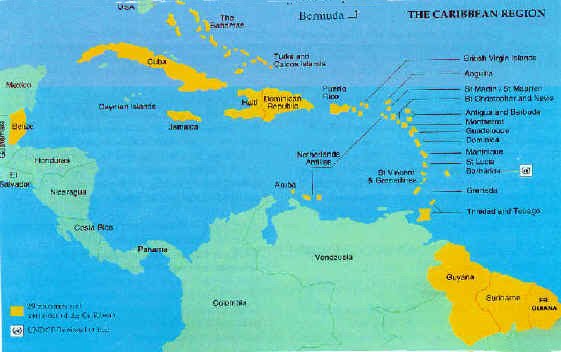
A recent World Bank report has found there has been a 50 percent increase in the number of people joining the middle class in the Caribbean and Latin America over the last decade.
The report, titled “Economic Mobility and the Rise of the Latin American Middle Class” notes that the middle class in the region grew to an estimated 152 million in 2009, compared to 103 million in 2003.
“The recent experience of the Caribbean and Latin America shows the world that policies balancing economic growth while still expanding opportunities for the most vulnerable can spread prosperity to millions of people,” said World Bank President Jim Yong Kim.
“Governments in the Caribbean and Latin America still need to do much more. One third of the population is still in poverty, but we should celebrate this achievement of growing the middle class and learn from it,” he added.
For decades, the World Bank said poverty reduction and middle class growth in the Caribbean and Latin America region crept along at a very slow pace, as low growth and stubborn inequality held back progress.
Over the last 10 years, however, the Washington-based financial institution said the region’s fortunes improved dramatically due to changes in government policies that emphasized the delivery of social programs alongside economic stability.
As a result, the bank said the region’s middle class grew by a half to include 30 percent of the region’s population in 2009.
The report finds that some of the key factors favoring the upward mobility in the region are higher levels of education among workers; higher employment in the formal sector; more people living in urban areas; more women in the labor force; and smaller families.
The report defines middle class in income terms of anyone making between US$10 and US$50 per day.
It says this level of income provides an increased resilience to unexpected events and reflects a lower probability of falling back into poverty.
The report, however, also describes a fourth, vulnerable class, “which underscored the need for countries to do much more to increase shared prosperity”.
It says members of this vulnerable class, representing 38 percent of the population, fare better income-wise than the poor, but lack the economic security of the middle class.
Sandwiched between the two, the report says the vulnerable class makes between US$4 and US10 per capita, daily.
The report also determines that, with the exception of years of schooling, intergeneration mobility remains limited. It says a young person’s parents’ economic and social background still play a substantial a role in determining that person’s economic future.
Augusto de la Torre, chief economist for the Caribbean and Latin America at the World Bank, said, however, that this may change,
“A society with a growing middle class is more likely to reduce such inequalities. It is widely recognized that the middle class is an agent of stability and prosperity.” – (CMC)