Politics
Obama and Republicans struggle to break fiscal deadlock
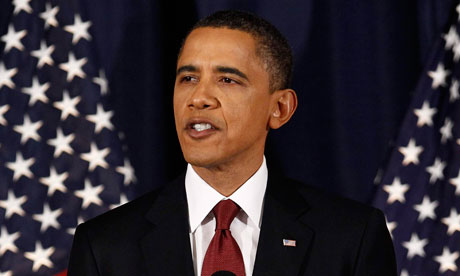
U.S. President Barack Obama. PHOTO/File
(Reuters) – U.S. President Barack Obama and congressional Republican leaders moved to end their fiscal impasse on Friday, but struggled to strike a deal on the details for a short-term reopening of the federal government and an increase in the U.S. borrowing limit.
After the first signs on Thursday of movement in the standoff, both sides worked furiously to find enough agreement to get federal workers back on the job and extend the government’s borrowing authority past the October 17 limit.
About 20 House of Representatives Republicans huddled with Majority Leader Eric Cantor on Friday morning, a day after Republicans floated a plan that would provide for a short-term debt limit increase lasting about 6 weeks.
Republicans also have dangled the possibility of a quick reopening of government if there was a commitment by Obama to broader deficit reduction steps. Obama had asked for a short-term debt limit increase with no conditions attached.
Obama pressed his case in a morning meeting at the White House with Senate Republicans. Vice President Joe Biden joined Obama for the session as the two sides hunt for a quick resolution.
A handful of House Republicans appeared on morning television shows to express optimism now that talks have started with the White House.
“We’ve been very good about this, the White House has been great about it overnight to say let’s stay out of all the details as we talk through all the different options,” Oklahoma Republican Representative James Lankford said on CNN.
The newfound optimism bolstered markets. U.S. stocks edged higher early on Friday following the biggest rally since the first trading day of the year.
Time was running short, with the partial government shutdown in its 11th day and less than a week to go before the Treasury Department exhausts its ability to borrow money to pay the government’s bills.
Any deal that is struck by leaders could face a revolt from rank-and-file conservatives in both the House and Senate, risking a potential U.S. default that Obama and economists have warned could lead to economic chaos.
Texas Senator Ted Cruz, a Tea Party favorite who has been a leader of conservatives demanding delays or defunding of the healthcare law before they will approve a budget deal, was unapologetic at a conference of conservative activists.
The impending fiscal deadline is particularly problematic in the Senate, where procedural delays can slow legislation for up to a week – about the time remaining before borrowing authority runs out, according to Treasury Secretary Jack Lew.
Senate Democratic Leader Harry Reid said he would hold a vote on Saturday on a measure giving a one-year debt ceiling increase without conditions, and criticized Republican calls for a shorter extension of the borrowing authority.
The movement from Republicans on Thursday came after a flurry of new opinion polls showed them taking the blame for the government shutdown, that began with the start of the new fiscal year on October 1st.
A new NBC/Wall Street Journal poll showed Republican Party favorability ratings at an all-time low of 24 percent and Democrats with an eight-point lead on voter congressional preference heading into next year’s mid-term elections.
Late on Thursday, Representative Pete Sessions, who chairs the House Rules Committee that is a gatekeeper for all legislation headed for debate in the full chamber, said a deal could be struck as early as Friday.
If he is correct, that could queue up votes in the full House by this weekend. Meanwhile, Senate Republicans were discussing a series of different ideas, including a fast reopening of the government coupled with a debt limit increase and the repeal of an unpopular medical device tax that helps pay for “Obamacare” healthcare subsidies. Under that plan, the revenues would instead be raised through some pension reforms.