Business
Nigeria begins process of seeking damages from Shell resulting from oil spill damage
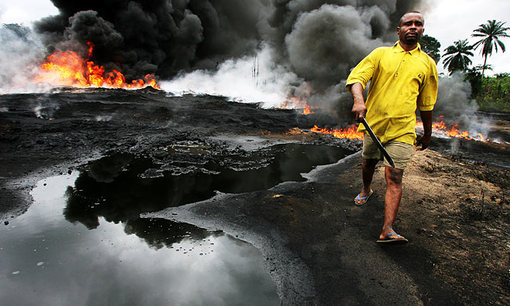
Environmental Damage caused by past oil spill in Nigeria. PHOTO/File
Royal Dutch Shell officials on Monday began talks in Nigeria’s southern city of Port Harcourt with representatives for the Bodo community on compensation and cleanup five years after one of the worst oil spills in Nigeria’s history.
Some experts say two oil spills that started in 2008 led to the largest loss of a mangrove habitat ever caused by an oil spill, affecting about 30,000 people in the Niger Delta area since then, according to law firm Leigh Day.
“These people, since 2008 they are living on a creek of oil. You step out of the front door you see oil, breathe in oil and toxic fumes,” said lawyer Daniel Leader of Leigh Day, a law firm that is representing about 15,000 people from the community that filed a lawsuit in 2012.
Although Royal Dutch Shell has admitted responsibility for the two spills, the impact has been disputed and will be the main focus of negotiations in Port Harcourt.
Royal Dutch Shell said a joint investigation team estimated 4,100 barrels were lost in the two spills. That estimate is based on the initial investigations by representatives from the company and the local community.
Leigh Day said that 15,000 fishermen and 31,000 inhabitants of 35 villages were affected in and around the Bodo lagoon and its associated waterways.
The law firm says independent experts estimate between 500,000 and 600,000 barrels were spilled, devastating the environment that sits amid 90 square kilometers (35 square miles) of mangroves, swamps and channels.
“The majority of its inhabitants are subsistence fishermen and farmers. Until the two 2008 spills Bodo was a relatively prosperous town based on fishing,” the firm said in a statement. The spills have destroyed the fishing industry and environment there, it said.
“Those communities are still having water shipped into them. But it’s patchy, and we fear many of those communities are drinking from poisoned wells,” Leader, the Leigh Day lawyer, said.
However, Royal Dutch Shell says such estimates are high. According to company spokesman Jonathan French, not all the oil spilled was as a result of the company’s operations and in addition, the company did not have access to the area to clean it up.
The company blames most of the spills in the region on thieves tapping into pipelines to steal crude oil, which ends up on the black market.
Copyright 2013 The Associated Press