Business
Haiti open for business: targeting up to $600 million in foreign investment in 2013
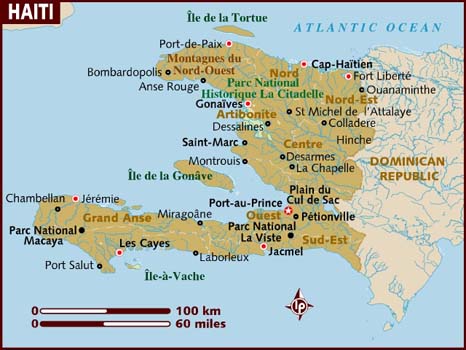

Haiti is targeting up to US$600 million in foreign investment in the 2012/2013 financial year, and according to its trade ambassador, The Bahamas has a tremendous opportunity to get in on the action.
The Bahamas Chamber of Commerce and Employers Confederation (BCCEC) invited dignitaries from Haiti to a conference in Nassau on Monday to discuss prospects between the two neighbors.
Gregory Mevs, the Haiti ambassador for trade and investment, stressed that the rebuilding nation wants greater partnership with companies in the Bahamas. Whether it be expertise or direct investment, he said Haiti is open for business.
“There is a special relationship between our nations. We can no longer look at normal trade or investment. Traditional partnerships will continue. What we need is to trade more with each other,” Mevs told reporters.
“We need to diversify our trade and our source of investments, and be more global players. The Bahamas can play a big role in certain industries in Haiti.”
After picking up the pieces of the devastating earthquake in 2010, the Haiti continues to push forward on aggressive national development. Last year, Haiti attracted US$100 million in foreign investment. This year, Haiti is setting a “modest” goal of US$300 million, with up to US$400 million or US$500 million in its sights, according to the ambassador.
Haiti believes direct foreign investment of US$600 million in 2013 is indeed possible.
Haiti is offering a variety of incentives for foreign businesses, including a 15-to-20 year exemption from income tax.
There is also no capital gains tax or stamp tax.
The BCCEC has remained vocal concerning collaboration between the economies of the Bahamas and Haiti.
The chairperson of the BCCEC has called for the end of the embargo on agricultural goods, arguing the food bill for both countries can be drastically reduced if the proper safeguards are in place.
“The government of the Bahamas should put in place its own inspection protocols and expedite the removal of these restrictions. Ending the embargo will not only reduce the cost of products of Haiti imported into The Bahamas and improve trade, but taking it to a logical conclusion, it might help the economy of Haiti and our relations with Haiti by improving commerce,” Cooper explained.
While Ambassador Mevs acknowledges these particular opportunities, he highlighted the importance of the construction sector as well. There are over 10 million citizens of Haiti in the country, he noted, and the economy is poised to grow 5 percent each year.
Mevs described The Bahamas as being more of a “knowledge” economy, and Haiti has a surplus of land and a large population.
“In tourism, Haiti is spending a lot of money on infrastructure in the north on airports and terminals for cruise ships. And we need hotel rooms. We need everything. And we need people to train Haitians in this industry,” according to the ambassador.
The third sector ready for growth is financial services, including insurance, which collapsed after the earthquake.
Mevs emphasized that the two countries do not have “competing interests”, and the future will be brighter if the nations work together.
Attracting investment from The Bahamas is a “top priority” for Haiti. Yesterday’s conference brought up a number of possible avenues for investment, including everything from technology services to fish farming.
In the end, Mevs and the BCCEC hope engagements like these will spark more citizens to push the button of economic partnerships.
Source: Nassau Guardian