Business
Haiti: Martelly administration working to position country as the next hot tourism destination in the Caribbean
As Haiti rises from the ashes and shakes off its difficult past, the Martelly administration is working to position the country as the next hot destination in the Caribbean.
This is by no means a herculean and ambitious task – health scares, crime, hurricanes and the monster earthquake of January 2010 have badly damaged the tourism that was once a mainstay of the Haitian economy.
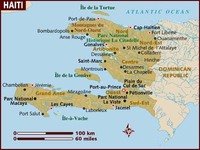
The Martelly administration, is pinning its hopes on a surge of private investment in hotels and resorts, plus a privately financed US$13.2 million airport and new infrastructure on the southern island of Ile-a-Vache, and an US$8 million development of the historic coastal town of Jacmel.
Haiti’s tourism Ministry’s budget has more than doubled. Under the previous government it was US$2 million. Now it’s US$4.7 million, and private investors are paying US$27 million to finance development on projects that include Ile-a-Vache and in Jacmel.
The ministry says it has signed off on 15 year tax breaks and exemptions from import duties for 11 hotel and resort projects costing a total of US$160 million, with nearly US$100 million more in the pipeline or completed. It’s also training a force of 53 “tourism police officers” who will learn Spanish and English and be trained in first aid and customer service.
While many in Haiti welcome anything that can create jobs, some worry that the country isn’t ready for a tourist invasion. For one thing, the Tourism Ministry says it has only 3,200 hotel rooms. The government hopes to double the number of hotel rooms in two years. The country still needs to re-vamp its medical services which are presently under considerable strain and to improve its infrastructure if it is even going to compete with its Caribbean neighbors which boast of superior infrastructure, stability and advanced tourism industries.
This was echoed by a Haitian senator Francois Anick Joseph, who said the country needs paved roads, drinking water and reliable electricity. “There are a lot of things that need to be done before we can attract tourists,” he said in a telephone interview.
Tourism Minister Stephanie Villedrouin says Haiti has to stand on its own feet. “If we want to be a sovereign country, if we don’t want to depend on other countries, we need to figure out ourselves how to move forward and how to get revenue, and tourism must be no.1 on the list.”
Each hotel room built creates two jobs and four indirect jobs, she said. Officials say the tourism push will create more than 1,600 direct jobs and 6,500 indirect jobs. Tourism generated US$200 million last year, Villedrouin said. The country’s entire budget is US$3 billion.
Haiti was once a tourist destination – a haunt of the rich and famous who came in search of late-night Voodoo ceremonies and rum-fueled revelry. But years of political instability and natural disasters continued to keep them away.
Officials say the 2010 earthquake killed 316,000 people, and a U.N. fueled cholera outbreak nine months later took more than 7,750 lives.
Today, the only mass tourism, approximately 600,000 a year, according to Villedrouin, comes from cruise ships stopping at Labadie on the north coast where passengers can frolic for a few hours in a fenced-in resort.
Villedrouin couldn’t say how many other tourists came on longer stays last year. Air Transat, a Canadian charter carrier, flies weekly between Montreal and Port-au-Prince, and says it has brought in 120 tourists this year on holiday packages in Haiti costing US$1,399 to US$1,600.
Source: Associated Press