Business
Ghana: Latest numbers from the Central Bank indicate a slow down in growth of economy in 1st quarter
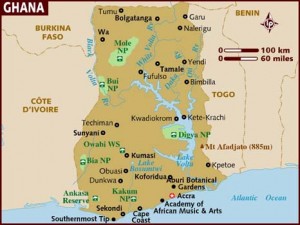
Latest reports from Ghana indicate a slow down in the country’s economy.
The Governor of the Central Bank of Ghana, Henry Kofi Wampah indicated that business and consumer sentiments on growth prospects have also softened amid heightened inflation expectations.
The Central Bank’s Composite Index of Economic Activity (CIEA) – a rough measure of the pace of economic activity, dropped by 0.6 percent in May after a 14.8 percent growth in March.
The period also saw all the components of the CIEA recording negative yearly growth rates with the exception of tourist arrivals, domestic value added tax and increased credit to the private sector.
“The pace of growth in credit to the private sector has also moderated, while the credit stance of banks has tightened,” Wampah said in his the monthly monetary policy report presented on Wednesday.
Business Confidence Index fell to 99.0 in March 2013, from a high 104.1 in December 2012. The geovernor attributed this drop partly to the energy crisis, which he said had lowered business confidence.
“Similarly, the Consumer Confidence Index also fell to 96.1 in April, from 105.0 in January 2013,” he added. Governor Wampah also revealed that the country’s trade deficit had also widened on the back of a significant deterioration in exports on account of low international commodity prices, which fed through to lower exports receipts, despite imports remaining broadly flat.
“The combination of these factors have resulted in heightened exchange rate pressures in the foreign exchange market, although at a measured pace relative to 2012. “Inflation has also gone up for the third consecutive month, raising the central path of the forecast by a percentage point.”
Fiscal perfomance for the first quarter also pointed to significant revenue shortfalls although expenditures remained within targets.
The Mahama administration has implemented measures to address the revenue shortfalls and rationalize expenditures including a freeze on new projects and restructure government debt by substituting the high cost of short-term debt with longer-term instruments which is expected to help reduce the high interest payments.