Life
Black people and Alzheimer’s Disease
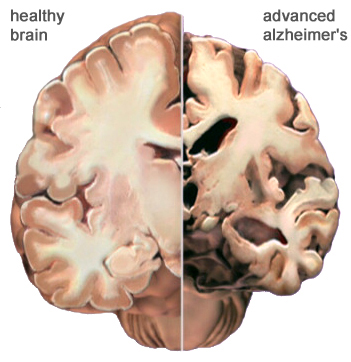
In the United States., African-Americans may be at a higher risk of
Alzheimer’s disease than other populations.
African-Americans are more likely to have vascular disease (disorders affecting the circulatory system, including heart attack and stroke) which is one of the suspected risk factors of Alzheimer’s disease.
Here is a list of warning signs for Alzheimer’s and related dementias. If you or someone you care about is experiencing any of these warning signs, please ensure you see a doctor to find the cause.
Early diagnosis gives you a chance to seek treatment and plan for the future.
Challenges in planning or solving problems
Some people may experience changes in their ability to develop and follow a plan or work with numbers. They may have trouble following a familiar recipe or keeping track of monthly bills. They may have difficulty concentrating and take much longer to do things than they did before.
Memory changes that disrupt daily life
One of the most common signs of Alzheimer’s is memory loss, especially forgetting recently learned information. Others include forgetting important dates or events; asking for the same information over and over; relying on memory aides (e.g., reminder notes or electronic devices) or family members for things they used to handle on their own.
Difficulty completing familiar tasks at home, at work or
at leisure
People with Alzheimer’s often find it hard to complete daily tasks. Sometimes, people may have trouble driving to a familiar location, managing a budget at work or remembering the rules of a favorite game.
New problems with words in speaking or writing
People with Alzheimer’s may have trouble following or joining a conversation. They may stop in the middle of a conversation and have no idea how to continue or they may repeat themselves. They may struggle with vocabulary, have problems finding the right word or call things by the wrong name (e.g., calling a “watch” a “hand-clock”).
Confusion with time or place
People with Alzheimer’s can lose track of dates, seasons and the passage of time. They may have trouble understanding something if it is not happening immediately. Sometimes they may forget where they are or how they got there.
Trouble understanding visual images and spatial relationships
For some people, having vision problems is a sign of Alzheimer’s. They may have difficulty reading, judging distance and determining color or contrast. In terms of perception, they may pass a mirror and think someone else is in the room. They may not realize they are the person in the mirror.
Misplacing things and losing the ability to retrace steps
A person with Alzheimer’s disease may put things in unusual places. They may lose things and be unable to go back over their steps to find them again. Sometimes, they may accuse others of stealing. This may occur more frequently over time.
Mood and personality changes
The mood and personalities of people with Alzheimer’s can change. They can become confused, suspicious, depressed, fearful or anxious. They may be easily upset at home, at work, with friends or in places where they are out of their comfort zone.
Decreased or poor judgment
People with Alzheimer’s may experience changes in judgment or decision-making. For example, they may use poor judgment when dealing with money, giving large amounts to telemarketers. They may pay less attention to grooming or keeping themselves clean.
Withdrawal from social activities or work
A person with Alzheimer’s may start to remove themselves from hobbies, social activities, work projects or sports. They may have trouble keeping up with a favorite sports team or remembering how to complete a favorite hobby. They may also avoid being social because of the changes they have experienced.