Business
As Africa, China trade gains momentum, the Yuan may replace the Dollar as the preferred currency of trade
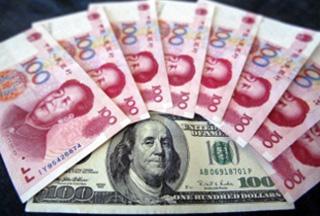
As bilateral between China and Africa continues to gather momentum, it is becoming increasingly necessary for a new cross border payments mechansim that is suitable for both Africa and China.
As the dominant reserve currency in the world, the US dollar is mostly used in global trade transactions, and for the most part, majority of transactions between China and Africa are still based on its exchange rate, however, to lower the risk caused by quantitative easing measures and further depreciation of the US dollar, trade settlement in yuan (renminbi) is now starting to take place between China and Africa.
Last year (2012), the ministerial conference of the Forum on China-Africa Cooperation (FOCAC) led to the adoption of the Beijing Action Plan (2013-2015), which pledged to accelerate the pace of the yuan cross-border trade and internationalization in Africa.
According to details of the plan, China has an open attitude toward currency swap arrangements with the central banks of African countries, and encourages businesses on both sides to settle bilateral trade and make direct investment in local currencies.
Many African countries and China are now in the process of conducting negotiations on how to move forward with China-Africa currency cooperation. The adoption of the new currency swap arrangements between African countries and China are numerous – and will bring down the cost of business significantly.
Hoping to further promote trade activities, political relations and the internationalization of the yuan, China has signed bilateral investment protection agreements with 35 African nations, including Nigeria, South Africa, Egypt and Kenya. It also offered 10.5 billion RMB debt relief to 31 poor and deeply indebted African nations and allowed 25 countries to export products to China duty-free.
Robins Mwanga, business information executive of Malawi Investment and Trade Center, says using local currencies to settle yuan trade payments has been under consideration by monetary authorities since 2011. “Despite the huge potential of such a mechanism, there remain technical issues to be solved before a full system can be put in place,” Mwanga says. “For Malawian and Chinese companies, such a mechanism would make sense if it can provide fast and safe clearing procedures and abundant financing.
“As in most African countries, the main currency used by firms in foreign trade is still the US dollar, it is natural that such innovative mechanisms meet resistance from some companies and institutions that are used to working under that system. The role of governments is to try and anticipate important changes, to make business see the benefits brought by cross-border yuan settlement.”
The cross-border yuan settlement extends beyond Africa – countries, such as Australia, Japan, Turkey, the United Arab Emirates and BRICS members, have all signed agreements with China to use their own currencies to trade, and this could inspire African governments to learn from those deals and review their own arrangements.
It will be necessary for rising African economies to understand more about the function of the currency swap agreement, with upcoming shifts driven by China’s industrial and investment activities, it will assist their companies to accelerate the use of the yuan as a trade settlement currency, and help ease the heavy dependence on the US dollar and build a fair trading environment between China and Africa.
Source: China Daily – Africa