Business
African American unemployment drops slightly in November
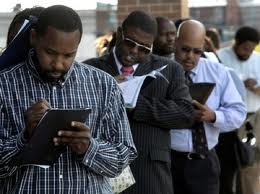
The African American unemployment rate for November was 12.5 percent, from 13.1 percent in October. The national unemployment rate also dipped, from 7.3 percent to a 5-year low of 7 percent.
A fourth straight month of solid hiring cut the U.S. unemployment rate in November – the gains in the job market could spur greater economic growth. However, black lawmakers on Capitol Hill, however, are extremely frustrated by the persistently high unemployment rate among African Americans. A visibly angry Rep. Emanuel Cleaver (D-Missouri) said in an interview with reporters yesterday that African American unemployment has been “ignored.”
The Labor Department said Friday that employers added 203,000 jobs, nearly matching October’s revised gain of 200,000. The job gains helped lower the unemployment rate from 7.3 percent in October.
The strengthening job market is likely to fuel speculation that the Federal Reserve may scale back its bond purchases when it meets later this month.
The economy has now generated an average of 204,000 jobs from August through November. That’s up from 159,000 a month from April through July.
Many of the November job gains were in higher paying industries.
Manufacturers added 27,000 positions, the most since March 2012. Construction firms gained 17,000. The 2 industries have created a combined 113,000 jobs in the past 4 months.
Another month of robust hiring follows other positive economic news. The economy expanded at an annual rate of 3.6 percent in the July-September quarter, the fastest growth since early 2012, the government said Wednesday.
Still, nearly half that gain came from businesses building their stockpiles. Consumer spending grew at the slowest pace since late 2009.
Greater hiring could support healthier spending. Job growth has a dominant influence over much of the economy. If hiring continues at the current pace, a virtuous cycle starts to build. More jobs usually lead to higher wages, more spending and faster growth.
The U.S Federal Reserve has pegged its stimulus efforts to the unemployment rate. Chairman Ben Bernanke has said the Fed will ease its monthly purchases of US$85 billion in bonds once hiring has improved consistently. The bond purchases have kept long-term interest rates low.
The recent economic upturn has been surprising. Many economists expected the government shutdown in October to hobble growth. Yet the economy motored along without much interruption, according to several government and industry reports.
Early reports on holiday shopping have been disappointing. The National Retail Federation said sales during the Thanksgiving weekend – probably the most important stretch for retailers – fell for the first time since the group began keeping track in 2006.
Consumers are willing to spend on big-ticket items. Autos sold in November at their best pace in seven years, according to Autodata Corp. New-home sales in October bounced back from a summer downturn.
Copyright 2013 The Associated Press