Life
Stop Herpes in it’s tracks
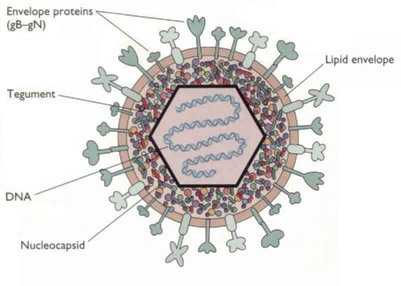
The March 2010 report from the Centers for Disease Control and Prevention (CDC) sited startling high levels of the genital herpes virus among African American women between the ages 14 and 49. The report found that 48 percent of African-American women have been exposed to the virus that causes genital herpes.
While we are not going to debate whether or not this statistic is true, it is important that we address this problem and work to eliminate its presence.
What is Herpes and how is it transmitted?
The Herpes simplex infection is a worldwide epidemic. A sizeable percentage of the American
population has genital herpes and the number of people that have oral herpes is much higher. A huge percentage of adult humans have dormant herpes viruses in their bodies.
The herpes virus is almost always transmitted through skin to skin contact, sexual or non-sexual. Even when there are no obvious lesions on the skin, some individuals continue to shed the herpes virus and can still infect others. Kissing is the most common mode of transmission of oral herpes. The disorder features periodic flare-ups of painful or itching blisters and sores around the mouth, face and genital regions, sometimes accompanied by fever and other symptoms of infection.
The virus evades the immune system, and it retreats along nerve fibres to nerve cells near the brain or spinal cord, where it lies dormant. Sometimes, the virus will remain in this state indefinitely, causing no apparent harm. Often however, it is awakened periodically by changes in body chemistry due to stress, diet, illness, a weakened immune system, menstruation, overexposure to sunlight, sexual activity or other causes.
The virus then travels down the nerve fibres, back to the same area where it first appeared causing another episode of sores and blisters. These breakouts can occur, however tend to reduce with time.
Herpes is considered incurable because there is no vaccine or drug that effectively destroys the virus. The current antiviral drugs only try to limit the multiplication of the virus with varying degrees of success.
Only recently, researchers at the Massachusetts Institute of Technology (MIT) announced the development of a drug that identifies virus-infected cells and kills those cells to abort the infection. The costs and possible side effects of such a drug are yet unknown and it may be a decade before it will be available to the public.
Treatment of herpes
There is no method to eradicate herpes virus from the body, but antiviral medications can reduce the frequency, duration, and severity of outbreaks.
– Follow the basic rules of good health, which include proper nutrition, adequate rest, regular exercise, and avoidance of too much stress. Excessive use of stimulant drugs or alcohol can reduce resistance to viruses.
– A strong and healthy immune system is our main defence against any kind of disease. Many people come in contact with herpes but never contract it because of their efficient immune systems. Nutrients can have a direct stimulatory effect on the immune system. These include the antioxidants: Vitamin A (10-25,000 IU per day); Vitamin C (Vitamin C is very helpful against acute infections like the flu. However, when it is taken consistently for a year or more, it helps to build an immune system that can effectively combat stubborn infections like herpes. Results are best if 4000 mg or more is taken daily in multiple doses. This can readily be done by dissolving one to two teaspoons of powdered vitamin C in a quart of fruit juice and sipping this mixture throughout the day. Mix fresh vitamin C daily, and keep it in a cool, dark place whenever possible. Vitamin C can be even more powerfully administered by a trained physician in an intravenous drip for the treatment of viral infections.), Vitamin E (100-400 IU per day) and Selenium (200-400 mcg daily). Vitamin B12 is another important nutrient with anti-herpes properties.
– Hormones influence herpetic breakouts and women often experience attacks around the time of their periods. An underactive thyroid as well as adrenal deficiency seems more common in people with chronic herpes than in the general population. Correcting these hormonal disturbances/ imbalances is important in successfully dealing with the infection.
– Butylated HydroxyToluene (BHT) is a synthetic food preservative that is widely used in breakfast cereals, baked goods, potato chips and other commercial foods. It is a very non-toxic substance that has many outstanding effects including the destruction of the herpes virus. BHT inactivates the herpes virus by disrupting its lipid shell, leaving it exposed and vulnerable to attack by the immune system. BHT is also effective against shingles, hepatitis, influenza and other viral diseases and is available in capsule form.
– Ozone is a powerful antiviral agent and medical ozone is widely used in Europe in the treatment of viral infections like herpes. The amino acid lysine, in daily gram doses, is also well known to suppress herpes flare-ups.
Herpes can be controlled and is not a death sentence.